

Vous cherchez à transformer les déchets organiques en biofertilisant de grande valeur? Le compostage est la première étape indispensable. Il transforme des matières premières comme le fumier de volaille, déchets de biogaz, et les déchets agricoles en stable, compost riche en nutriments, prêt pour la production d’engrais microbien. Aujourd'hui, nous vous expliquerons les facteurs clés d’un compostage réussi: comment accélérer la fermentation, quelles machines à composter choisir, et comment construire un système complet ligne de production de biofertilisants à base de compost. Que vous démarriez tout juste ou que vous modernisiez une installation existante, nous offrons des conseils professionnels, équipement personnalisé, et des solutions complètes de compostage pour vous aider à maximiser l'efficacité et le rendement. Bienvenue pour consulter!
Combien de types de machines de compostage commerciales peuvent être utilisées pour composter les biofertilisants?
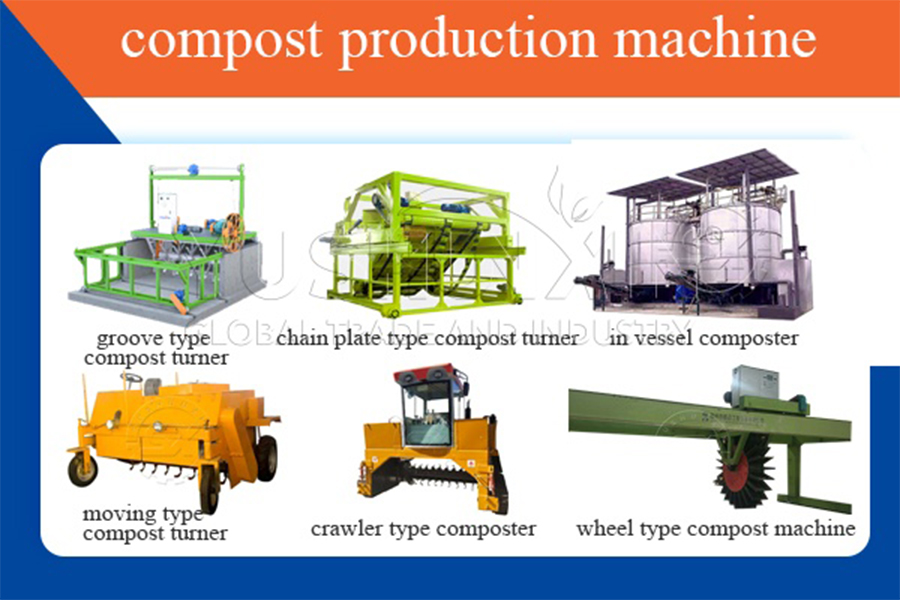
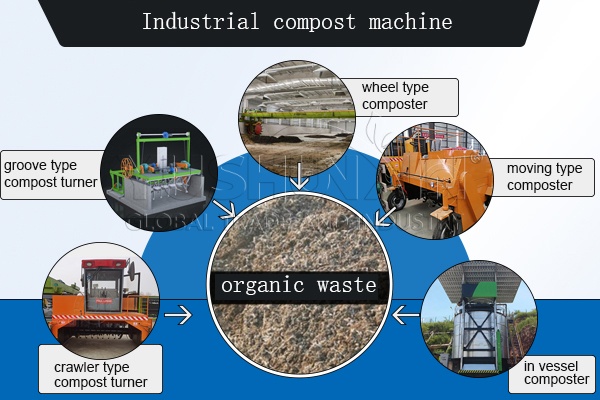
Il existe plusieurs types de machines de compostage commerciales disponibles pour la production de biofertilisants à YUSHUNXIN.. Chacun convient à différents besoins et échelles de compostage. Vous trouverez ci-dessous trois options courantes:
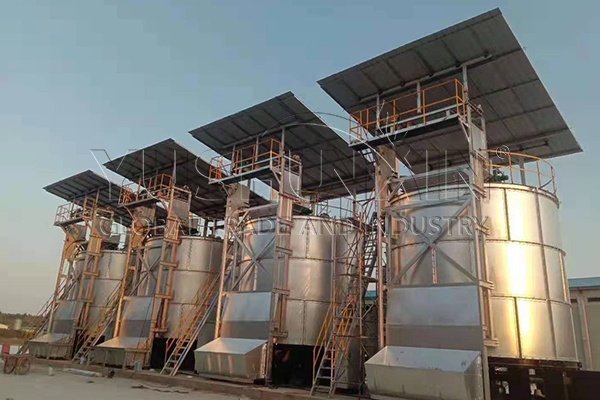
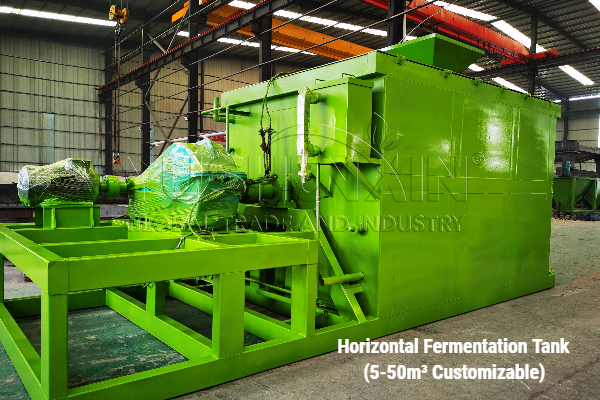
Fermenteur de biofertilisant – Vitesse de fermentation élevée
Si vous avez besoin de fermenter des déchets organiques en peu de temps, le cuve de fermentation biologique est une option fiable. Il traite une large gamme de matières premières et utilise une fermentation aérobie à haute température pour décomposer rapidement et en toute sécurité la matière organique.. La conception fermée minimise les odeurs et fonctionne indépendamment des températures extérieures. La fermentation est généralement terminée dans 7–15 jours. YUSHUNXIN propose des cuves de fermentation allant de 5 à 150 m³ et propose des solutions personnalisées. Contactez-nous pour plus de détails!
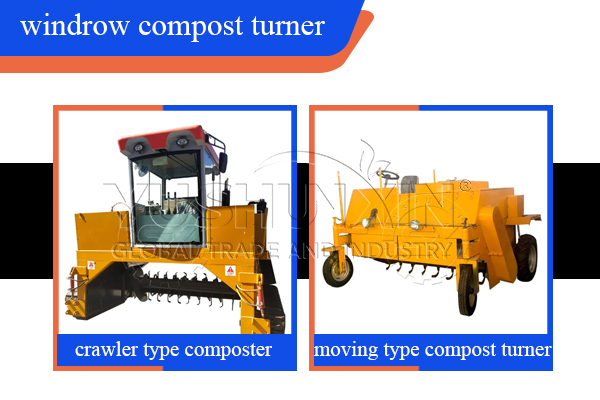
Retourneur de compostage d'andains – Composteur mobile
À la recherche d'un équipement de compostage mobile pour votre ferme? Considérez le Turner de compost Windrow. Les composteurs à chenilles et automoteurs sont dotés de systèmes de mobilité flexibles et de commandes simples.. Vous pouvez facilement les faire avancer, en arrière, ou retournez-les sur un terrain plat. Cet équipement est idéal pour le compostage intérieur et extérieur : il suffit d'empiler vos déchets organiques en longs andains.
Équipement de compostage en tranchées – Pour petits et grands systèmes
Le retourneur de compost en tranchée est idéal pour la production de biofertilisants à petite et à grande échelle. Il transforme les déchets organiques dans des filières de compostage pour accélérer leur décomposition. Le retourneur de tranchées à roue présente une envergure de braquage de 8 à 30 mètres et une profondeur de 1 à 3 mètres, ce qui en fait une excellente option pour le compostage à l’échelle industrielle. Pour les petites opérations, nous proposons également des retourneurs de tranchées compacts et des composteurs à cadènes. Contactez-nous pour trouver le modèle adapté à vos besoins de compostage.
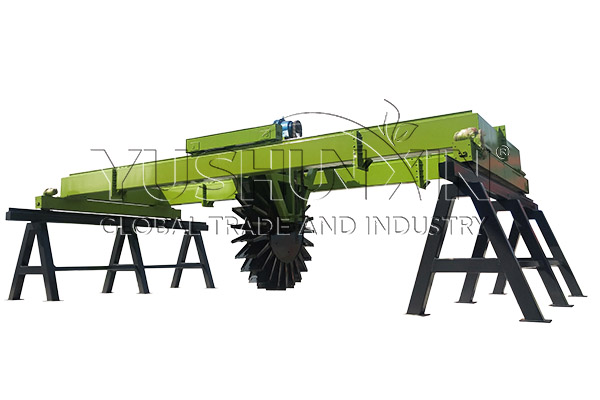
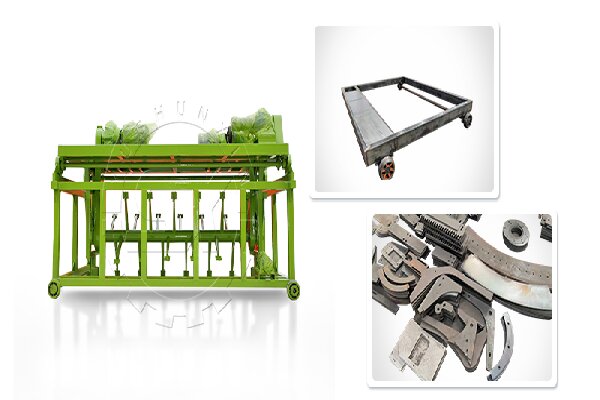
Vous ne savez pas quelle machine de compostage convient à votre matériel et à votre capacité? Notre équipe est là pour vous aider à choisir la meilleure solution, adaptée à vos matières premières, budget, et l'espace. Contactez-nous dès maintenant pour recevoir une consultation et un devis gratuits!
Haut 3 Méthodes de fabrication de biocompost pour la préparation de biofertilisant
Parmi les différentes méthodes de compostage, les techniques de fabrication de biocompost les plus pratiques sont le compostage en andains, compostage de tranchées, et compostage en cuve.
Compostage en andain est la méthode la plus courante pour les petites et moyennes usines d'engrais. Il suffit d'empiler de la bouse de vache, résidus de récolte, ou autres déchets organiques en longues bandes au sol et retournez-les régulièrement avec un retourneur de compost. Il présente un faible coût, opération simple, et une grande flexibilité, mais vous devez contrôler l'humidité à environ 55-60 % et maintenir la température du velours autour de 55-65°C..
Compostage en tranchée fonctionne mieux pour la production continue et à grande échelle de biofertilisants. En utilisant des rainures de fermentation et un retourneur de compost de type rail, vous pouvez atteindre une température stable et une décomposition plus rapide. Il réduit le travail et améliore l'efficacité de la fermentation.
Compostage dans le vaisseau est la méthode de biocompost la plus avancée. Il utilise des cuves de fermentation fermées pour obtenir un contrôle automatique de la température et de l'aération.. Ce système assure un compostage plus rapide, odeur minime, et le respect de normes environnementales strictes. Il est idéal pour les lignes de production industrielle d'engrais organiques avec un espace limité ou des exigences d'hygiène élevées..
Quelles sont les meilleures matières premières pour le compostage des biofertilisants?
Choisir les bonnes matières premières est la première étape pour fabriquer un biofertilisant de haute qualité. De nombreux types de déchets organiques peuvent être compostés, du fumier animal aux résidus de récolte.. Chaque matériau a ses propres caractéristiques, et les comprendre vous aide à sélectionner la bonne méthode et le bon équipement de compostage.
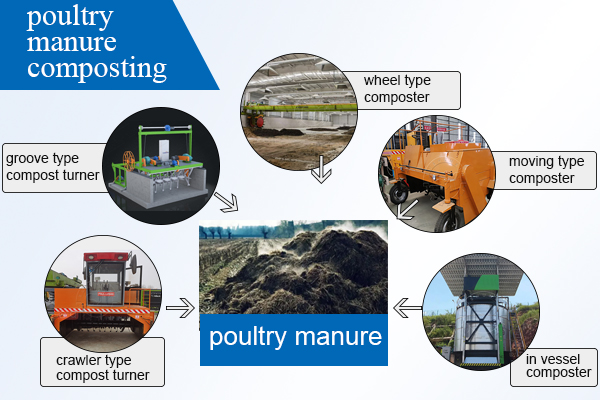
Vous ne savez pas comment gérer vos matières premières? Contactez-nous pour des solutions de compostage sur mesure en fonction de votre type de déchets et de l'échelle de votre projet..
Comment accélérer le compostage des biofertilisants?
Utilisez un équipement de compostage efficace:
Pour raccourcir le temps de compostage, il est essentiel que vous utilisiez une machine à composter avancée. Il peut accélérer le processus de fermentation en assurant une bonne aération, température, et mélange de matériaux. Nous pouvons vous recommander une machine à composter adaptée à votre capacité., budget, et besoins spécifiques. Bienvenue pour nous consulter!
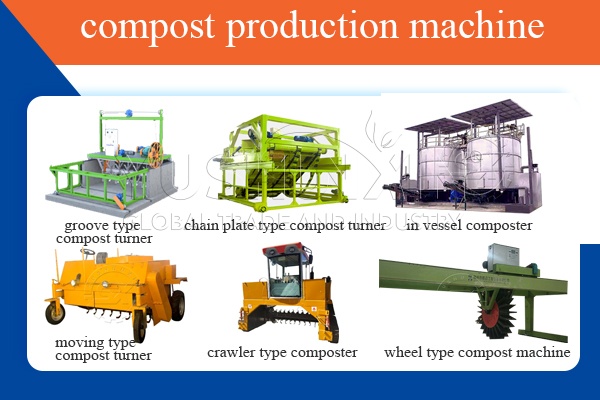
Ajouter des souches microbiennes de compostage:
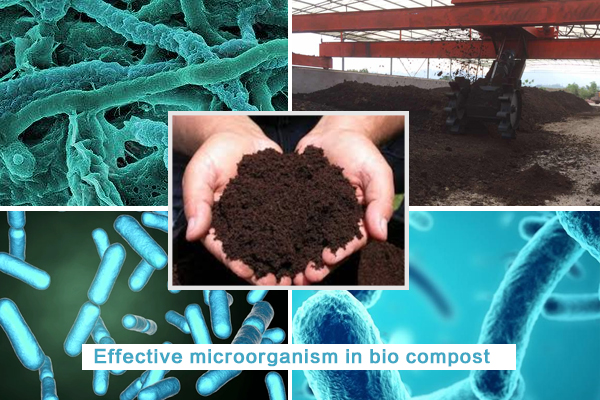
L'ajout d'agents de fermentation microbienne peut considérablement stimuler le processus de compostage. Ces microbes (Par exemple, Bacille, levure, actinomycètes) aider à décomposer la matière organique plus rapidement et à réduire les odeurs. Différents matériaux nécessitent différentes souches microbiennes pour des résultats optimaux.
Ces agents peuvent être ajoutés directement dans le tas de compost ou pendant l'étape de mélange des matières premières pour assurer une répartition uniforme et une fermentation efficace..
Optimiser les conditions de compostage:
Le compostage rapide nécessite de maintenir un environnement de fermentation idéal. Pour y parvenir, vous devriez garder le carbone en azote (C/N) rapport entre 25:1 et 30:1, assurez-vous que la teneur en humidité reste présente 50–60%, et retournez les matériaux régulièrement pour fournir suffisamment d'oxygène. En plus, maintenir la température à 50–65°C pendant la phase thermophile est essentiel pour favoriser l’activité microbienne et accélérer la décomposition.
Quelles souches microbiennes devriez-vous ajouter pendant le compostage?
Choisir le bons agents microbiens est la clé d’un compostage efficace.
Agent de fermentation aérobie
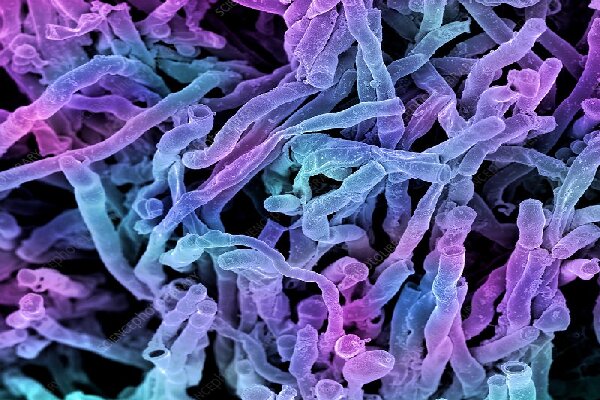
D'abord, vous devriez évaluer vos matières premières. Par exemple, si votre compost contient une grande quantité de fumier de bétail, l'ajout de bactéries thermophiles contribue à accélérer la dégradation de la matière organique pendant la phase à haute température. Si votre matière première est riche en carbone (comme de la paille ou des cosses), les bactéries dégradant la cellulose amélioreront la maturité du compost.
Azotobactérie de qualité
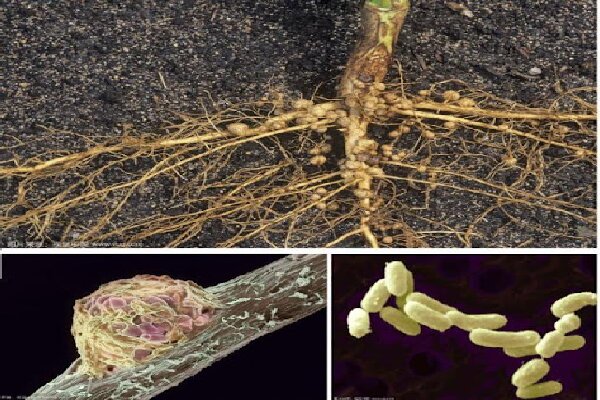
Alors, vous pouvez également ajouter des bactéries fixatrices d'azote ou solubilisant le phosphate pour améliorer la teneur en éléments nutritifs du compost final. Dans les zones à forte salinité ou à mauvaise structure du sol, des souches fonctionnelles comme Bacillus subtilis ou Pseudomonas fluorescens peuvent améliorer les performances des biofertilisants.
Pas de soucis, YUSHUNXIN adaptera un dispositif de pulvérisation à vos besoins. N'hésitez pas à nous contacter.
Contenu


