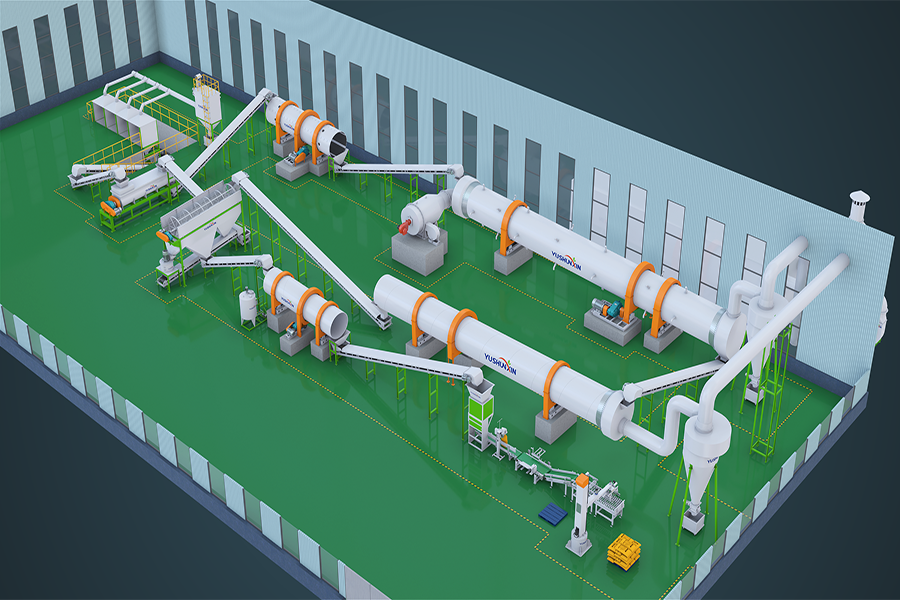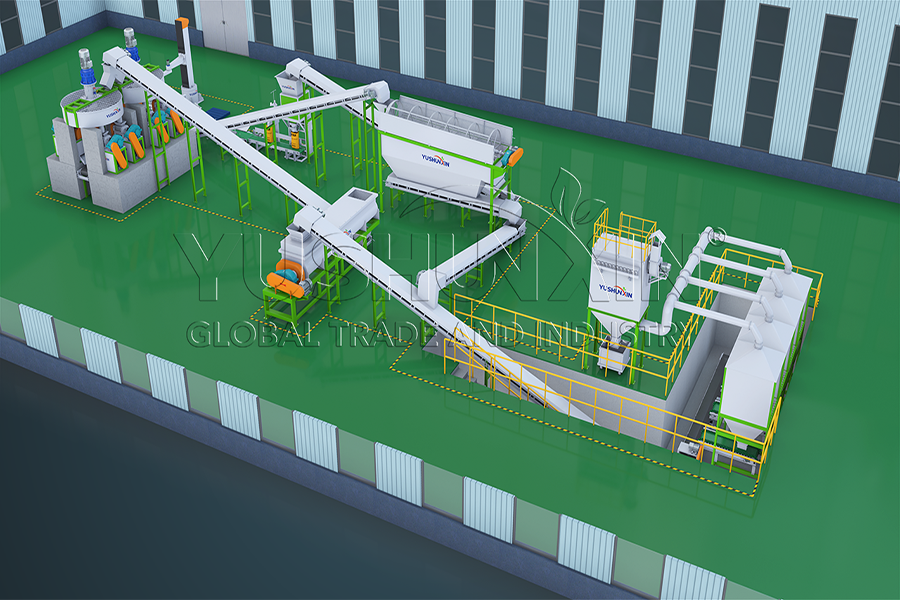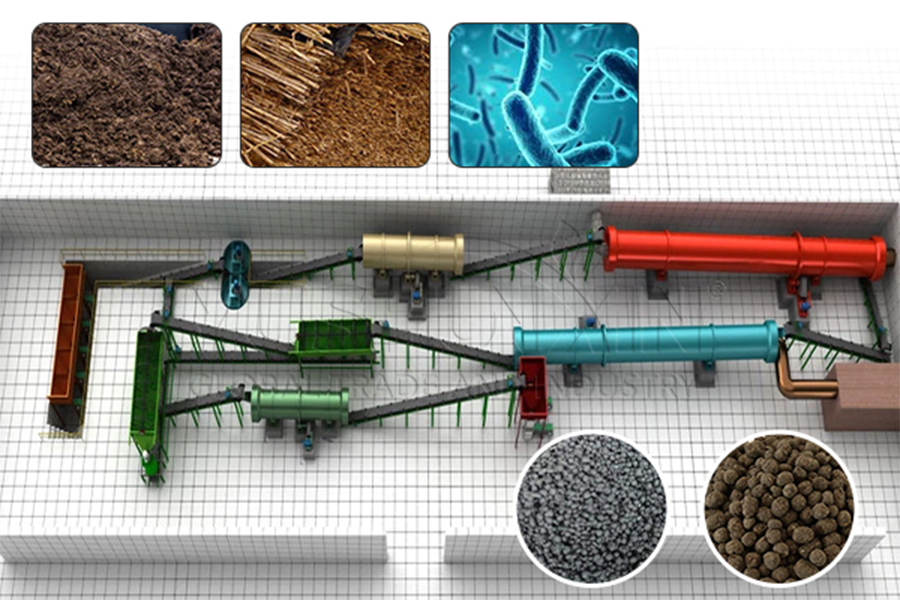

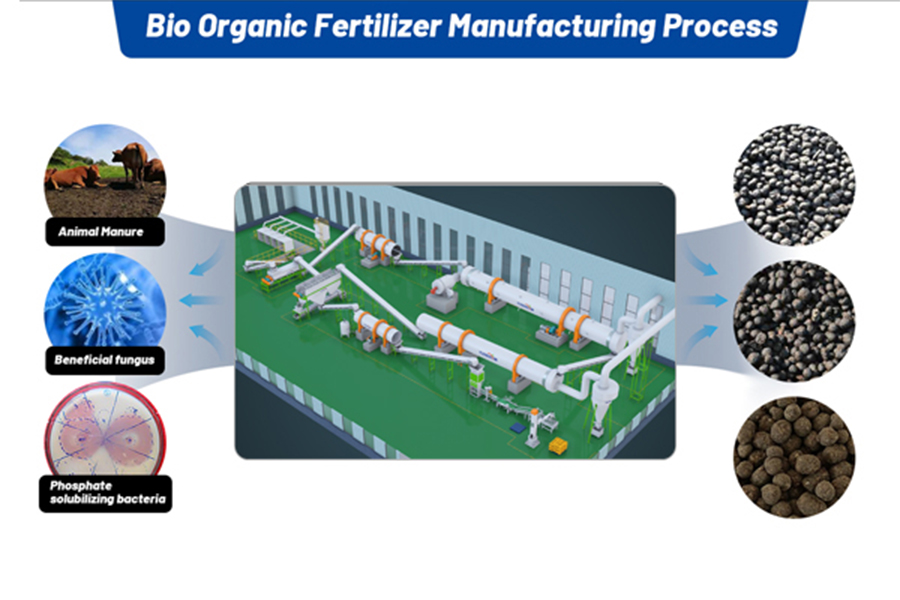
Bio organisk gjødsel kan forbedre jordens vitalitet og avlingskvalitet. Vanligvis, Du kan velge organisk avfall som husdyrgjødsel, Strå- og biogassrester for å produsere organisk gjødsel. Når du konfigurerer en Bio organisk gjødselproduksjonslinje, Du må gå gjennom flere stadier med å tilberede råvarer, gjæring, knusing, granulering, Dryinga og kjøling, og emballasje. Yushunxin vil gi deg riktig biologisk gjødselskapingsmaskin i hvert trinn. Samtidig, Vi kan designe forretningsplanen for organisk gjødselproduksjon i henhold til råstoffet ditt, kapasitet, Biofertilisator type ect. Så, Hvis du er interessert, Kontakt oss.
Hvilken forretningsplan er riktig for deg: Fremstilling av pulverisert eller granulær biogjødsel?
Å velge mellom pulverisert og granulær bioorganisk gjødsel handler ikke om hva som er "bedre". Det avhenger av råvarene dine, målmarkedet, og budsjett. Mange kunder kontakter oss fordi de er usikre på dette stadiet.
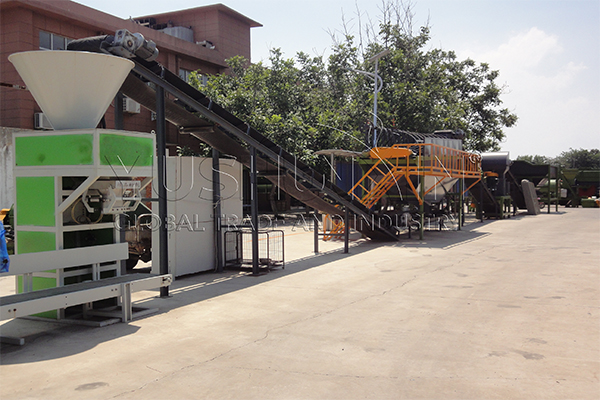
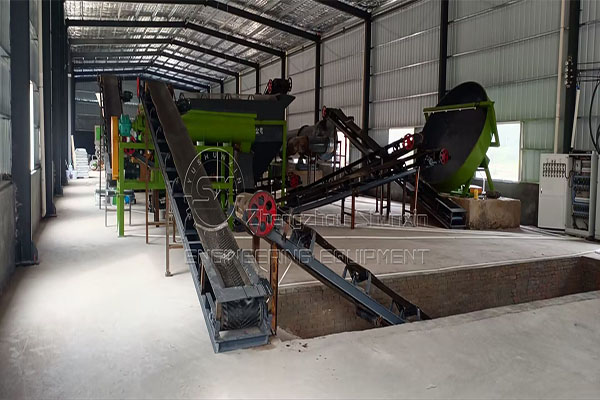
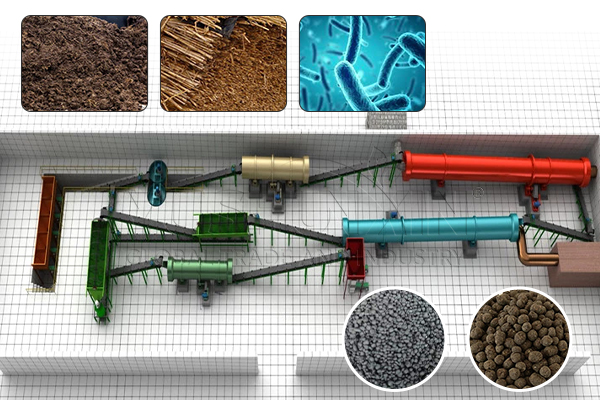
👉 Hvis du er usikker på hvilken form som passer til ditt råmateriale og marked, denne avgjørelsen bør tas før kostnadsberegning.
Hvor mye koster en produksjonslinje for bioorganisk gjødsel?
Kostnaden for et produksjonsanlegg for bioorganisk gjødsel varierer hovedsakelig basert på produktform og kapasitet. Nedenfor er typiske investeringsområder basert på reelle prosjekter.
Prosjektkostnad for pulverisert biogjødsel:
En pulverisert bioorganisk gjødselplante koster vanligvis $30.000–$100.000. Dette oppsettet inkluderer en kompostvender, automatisk laster, biokompostknuser, roterende screener, Automatisk emballasjemaskin, og båndtransportører. Den passer til kapasiteter fra 1–15 tonn i timen og holder driftskostnadene lave.
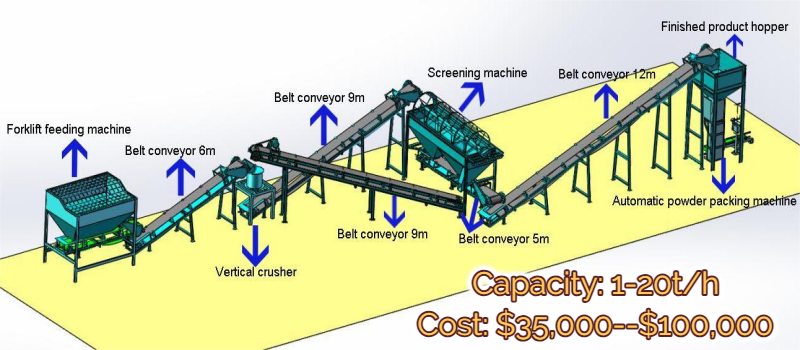
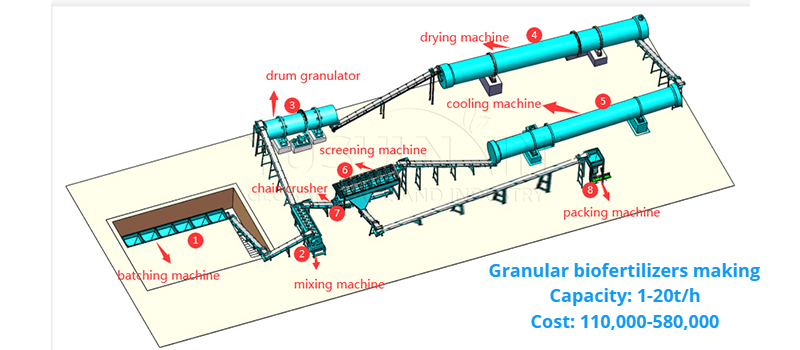
Kostnadsområde for granulære bioorganiske gjødsellinjer
Granulære produksjonslinjer for bioorganisk gjødsel starter vanligvis fra $120,000 og kan overstige $500,000 for høyere kapasiteter. Den ekstra kostnaden kommer fra granulering, Tørking, kjøling, støvkontroll, og beleggsystemer. Disse maskinene forbedrer produktets utseende, men krever høyere energitilførsel.
Hvordan kontrollere investeringskostnadene for bioorganisk gjødsel?
For å kontrollere kostnadene ved fabrikken for bioorganisk gjødsel, start med tre klare poeng:
- Dine tilgjengelige råvarer og fuktighetsnivå
- Målmarkedet ditt (lokale gårder eller kommersielle distributører)
- Din akseptable tilbakebetalingstid
Mange vellykkede prosjekter begynner med pulverisert gjødsel og oppgraderes til granulering senere. På Yushunxin, vi hjelper kundene med å matche utstyrskonfigurasjonen til reelle produksjonsbehov i stedet for å selge overdimensjonerte systemer. Velkommen til å konsultere oss!
Når skal du legge til mikrobielle midler i bioorganisk gjødselproduksjon?
I produksjonsprosessen for organisk biogjødsel, mikrobielle midler tilsettes vanligvis på tre viktige stadier – før, i løpet av, og etter granulering - avhengig av funksjon og varmetoleranse.
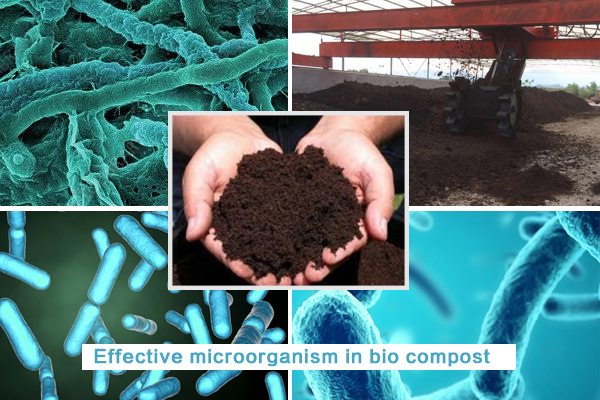
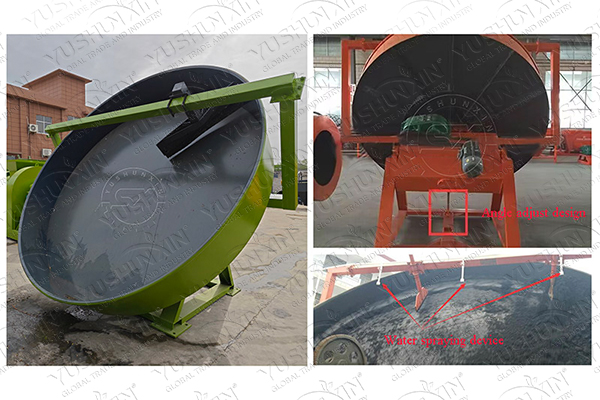
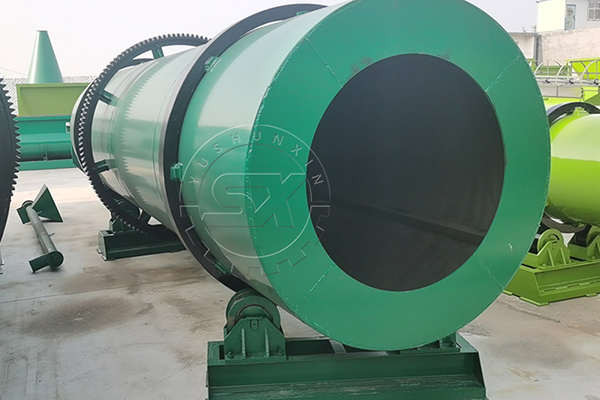
Å velge riktige bakterier og utstyr sikrer effektiv mikrobiell overlevelse og næringstilførsel i biogjødselen din.
Hva er råvarene for produksjon av organisk biogjødsel?
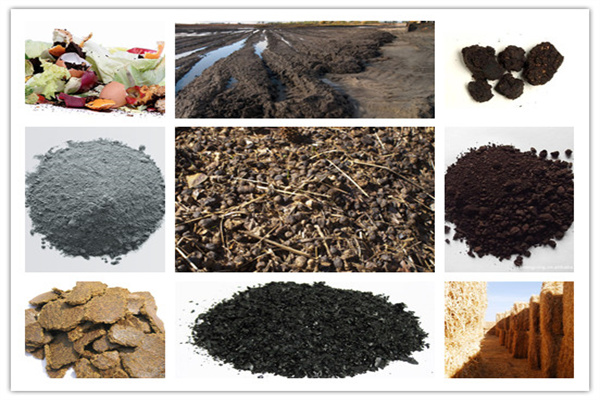
Bio organisk gjødsel er laget av et bredt utvalg av råvarer - hvorav mange allerede kan være tilgjengelig på gården din eller i ditt område. Her er de vanligste alternativene:
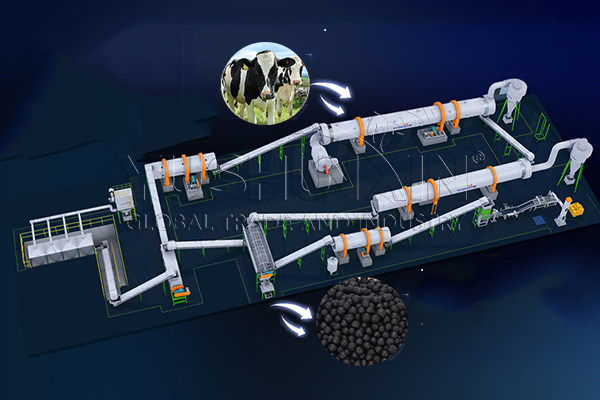
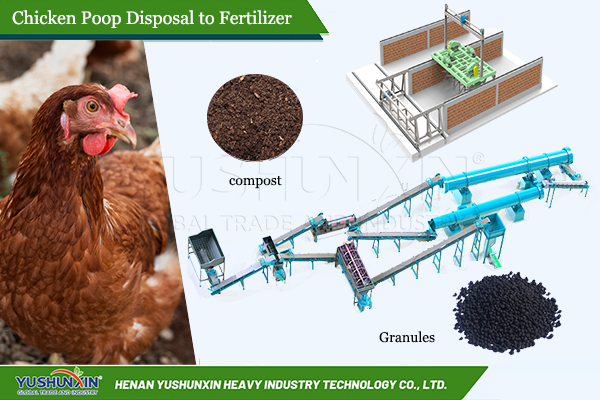
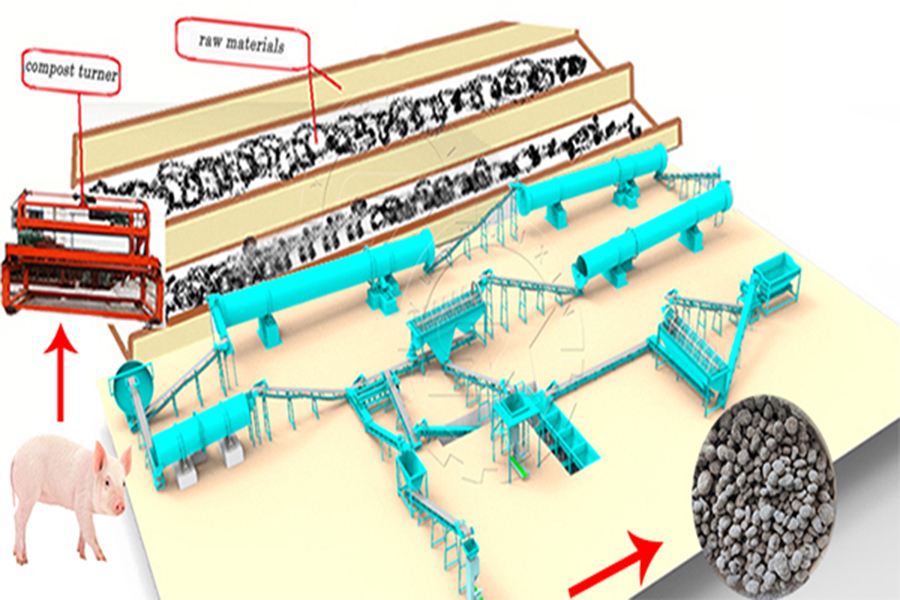
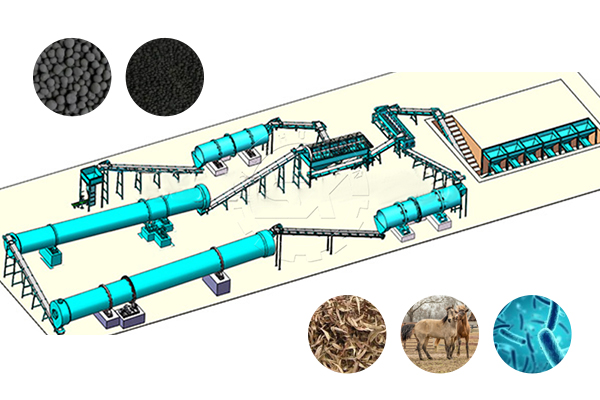
Dyregjødsel som organisk biofertilisør
Kugjødsel, Kyllinggjødsel, og grisegjødsel er de vanligste råvarene. De inneholder organisk materiale, nitrogen, og gunstige mikroorganismer.
Før kompostering, gjødsel trenger vanligvis fuktjustering og fjerning av urenheter. Kyllinggjødsel krever ofte blanding av karbonmateriale for å balansere næringsstoffer, mens kugjødsel drar nytte av å knuse for å forbedre gjæringshastigheten.
Organiske bearbeidingsbiprodukter som biogjødsel
Materialer som sopprester, sukkerfilterslam, destilleriavfall, og biogassrester er mye brukt i kommersielle biogjødselfabrikker. Disse biproduktene reduserer råvarekostnadene og støtter storskala produksjon når forsyningen holder seg stabil.
Landbruksavfall som organisk gjødsel
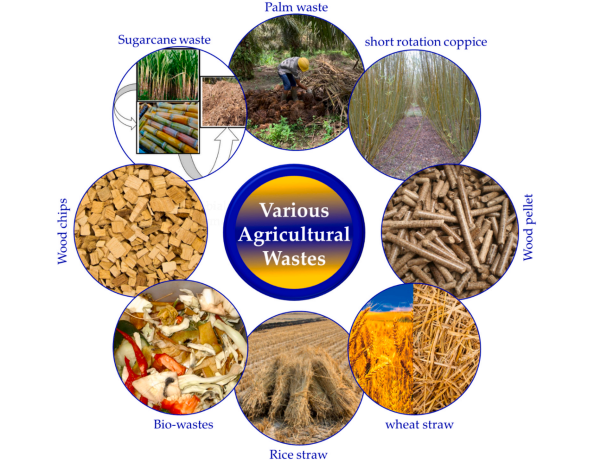
Beskjære halm, Risskall, maisstilker, og sagflis fungerer godt som hjelpematerialer. De forbedrer luftpermeabiliteten under kompostering og hjelper til med å kontrollere fuktighet. Mange biogjødselanlegg blander dem med gjødsel for å oppnå stabil gjæring og bedre kompoststruktur.
Trenger du hjelp til å velge riktige råvarer til ditt prosjekt? Kontakt YUSHUNXIN, og vi vil designe en personlig løsning for dine lokale ressurser.
Hvordan du starter et organisk biografisk produksjonsselskap?
Å starte et produksjonsselskap for bioorganisk gjødsel begynner med en klar plan. Her er en kort veiledning.
Enten du går inn i biogjødselmarkedet eller oppgraderer ditt eksisterende produksjonsanlegg for biogjødsel, vi kan levere effektivt, pålitelige forretningsløsninger. La oss veilede oppsettet ditt, fra råvarevalg til prosessintegrasjon.
Vellykkede tilfeller av å sette opp bio organisk gjødselproduksjonsanlegg:
For tiden, YUSHNXIN har hjulpet kunder i mange regioner i verden med å etablere bioorganiske gjødselanlegg. I kombinasjon med kunder’ krav til råvarer, produksjon, utstyr, etc., YUSHUNXIN har designet produksjonsplanen for organisk biogjødsel for dem.
For eksempel: en 10t/t biologisk organisk gjødselanlegg i Brasil, en 20,000 t/y organisk biogjødselfabrikk i Mexico, og a 100,000 t/y granuleringslinje for organisk biologisk gjødsel i vietnam. Enten det er en liten eller stor utgang, vårt firma kan gi deg en maskin for produksjon av biologisk organisk gjødsel i henhold til dine krav. Velkommen til å konsultere!
Vanlige spørsmål om å lage organisk gjødsel av høy kvalitet:
Q: Hvor mange tonn organisk avfall som kreves for å lage 1 kg biologisk organisk gjødsel?
Generelt sett, råvareproduksjonsforholdet til bioorganisk gjødsel er 3:1. Det betyr at når du produserer 5 tonn bakterier organisk gjødsel, Du må forberede deg 15 tonn organiske råvarer og noen hjelpestoffer.
Q: Hvor lang tid det tar å lage organisk biografisk gjødsel?
Generelt sett, prosessen med å lage bioorganisk gjødsel vil brukt 30-35 dager. Du kan også ta i bruk to metoder for å fremskynde produksjonsresirkuleringen. Først, knusing av det organiske avfallet før kompostering. Da, legge til startkulturer under komposteringsprosessen.
Q: kan jeg lage biografisk gjødsel fra sopprester?
Ja, sopprester er en av råvarene for produksjon av organisk biogjødsel. Lage biogjødsel fra brukt soppsubstrat innebærer kompostering, knusing, granulering, screening, Tørking, og andre behandlingstrinn.