

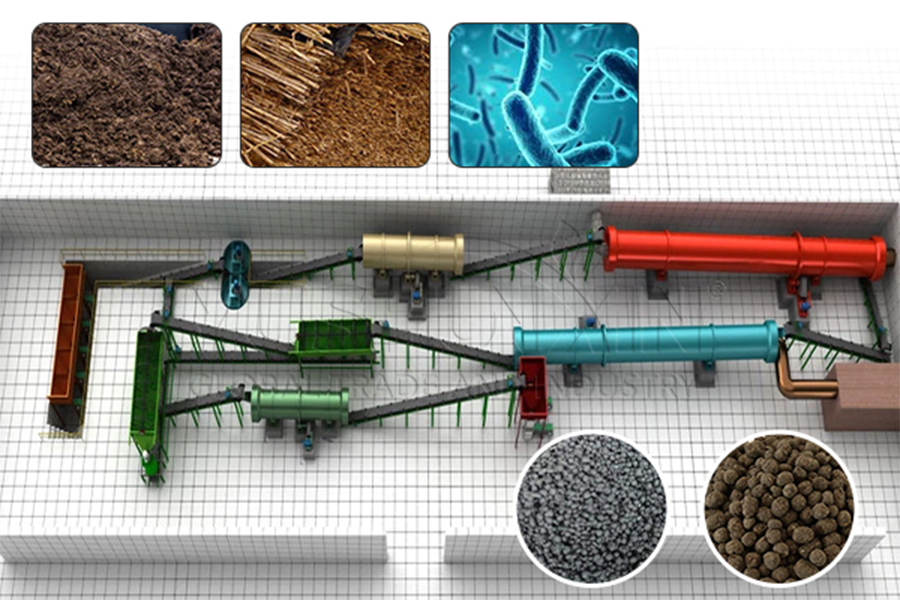
The bio fertilizer market has great potential for development. Jeśli chcesz rozpocząć 15 t/h bio organic fertilizer production project, please consider the three factors of raw materials, market and location in advance. The type of production line you open is the most important, which will determine your production equipment and costs. Yushunxin has a variety of bio fertilizer production machines for you to choose.
Jaki jest proces tworzenia 15 ton bionawozu organicznego na godzinę ?
Most bio fertilizer manufacturer will choose to make granular or powder biofertilizer. The process of making them is different. Next is the detailed manufacturing process.
15 ton/godzinę linii produkcyjnej sproszkowanego bionawozu:
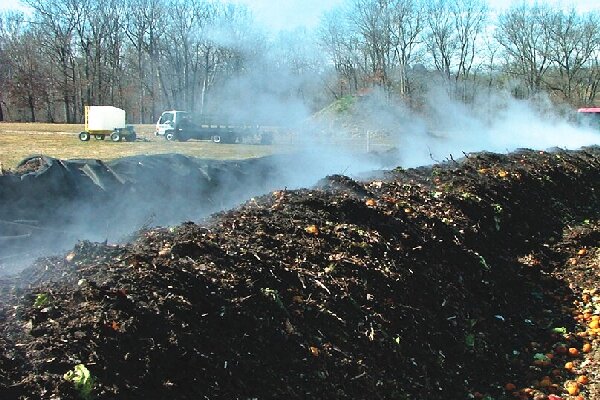
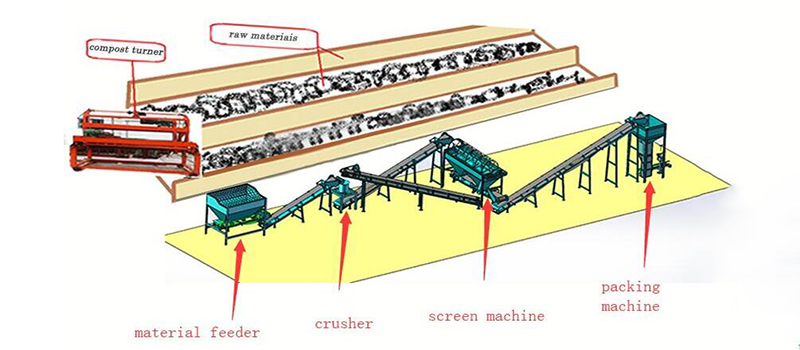
It is easy to produce powder bio organic fertilizer. Kompostowanie materiałów organicznych jest pierwszym krokiem na linii produkcyjnej wszystkich bionawozów. Fermentacja kompostu może zabić szkodliwe substancje zawarte w odpadach i zwiększyć zawartość innych składników odżywczych, takich jak azot, fosfor i potas w odpadach organicznych. Następnie, powinieneś użyć Kompost Shredders Aby zmiażdżyć kompost bio. Następny, należy przesiać rozdrobniony bionawóz. Z jednej strony, odsiać kamienie i cegły, które mogły się w nim znajdować. Z drugiej strony, możesz otrzymać kwalifikowany proszek bionawozu do opakowania. W przypadku niewykwalifikowanego proszku można go ponownie zmiażdżyć.
Proces produkcji 15 ton granulatu nawozów organicznych na godzinę:
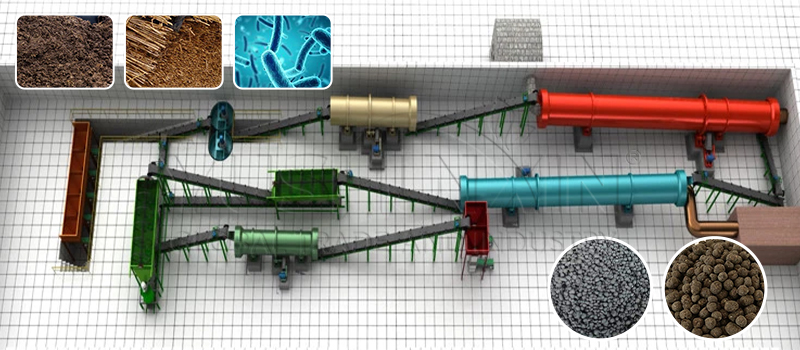
Na bazie wytwarzania sproszkowanego bionawozu, możesz dalej produkować 15 ton/godz. granulatów bionawozów. Wybierz odpowiedni urządzenia do granulacji do granulowania bio nawozów organicznych proszek. W celu zmniejszenia zawartości wody w cząsteczkach bionawozu i zapewnienia ich wydajności, trzeba go także sukcesywnie suszyć i schładzać. Następnie proszę ponownie przesiać granulki nawozów biologicznych. Może to nie tylko ze względu na jego klasyfikację, i może odsiać proszek i połamany bio nawóz organiczny, aby dojść do granulacji.
Jaki sprzęt jest odpowiedni dla linii produkcyjnej bionawozów o wydajności 15 t/h?
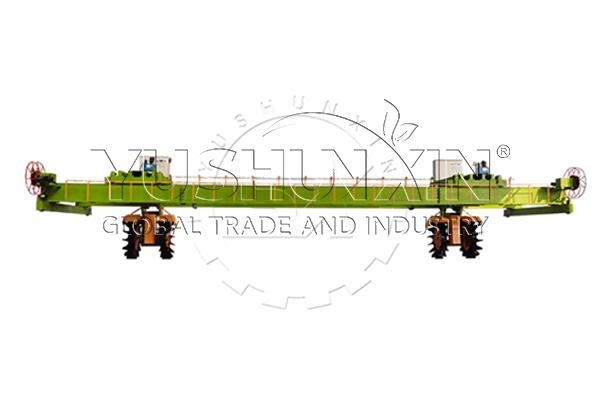
Przerzucarka kompostu z podwójnym kołem
Produkować 15 mnóstwo bio organicznego nawozu na godzinę, Dwójka YUSHUNXINA Maszyna kompostowania kół jest najbardziej odpowiedni. Składa się z dwóch kół, ścieżka spacerowa, urządzenie zasilające, urządzenie do chodzenia i tak dalej. Głębokość wywrotu mieści się pomiędzy 1.5-3 metry, a maksymalna szerokość wywrotu wynosi do 30 mierniki szerokości. Pomoże Ci szybko i skutecznie przekształcić kompost biologiczny, skrócić czas fermentacji.
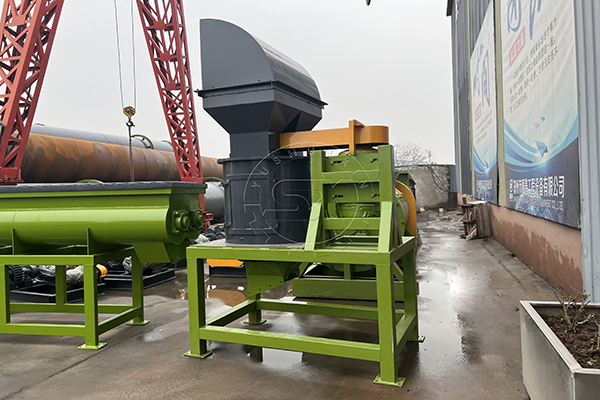
Kruszarka nowego typu SXFLF-1000
. nowa kruszarka pionowa jest jednym z popularnych urządzeń do kruszenia YUSHUNXIN. SXFLF-1000 jest odpowiedni dla 15 projekt produkcji bionawozów w tonach na godzinę. Port zasilający nie jest łatwy do podłączenia, a kompost biologiczny można podawać do otworu zasilającego za pomocą podnośnika kubełkowego. Ostrze jest ze stali sprężynowej, materiał jest twardy, efekt kruszenia jest dobry. Ponadto, we set up an observation window to see the status of the wearing parts, and can complete the replacement within 10 minutes without affecting production.
SXZGZ-2080 Biofertilizer Granulator
When producing 15 tons of bio-organic fertilizer, the choice of bio-fertilizer drum granulator is the best. Są dwa powody: Pierwszy, the drum granulator has a large output, which can produce 15 ton nawozu biologicznego na godzinę. Drugi, biofertilizers made by wet granulation are hard enough and easier to shape. The drum granulator can be equipped with a spray system to add water or biological bacteria to the biological fertilizer powder. Naraz, YUSHUNXIN’s biofertilizer drum granulator has a lifting plate inside, which evenly turns the particles to prevent clogging.
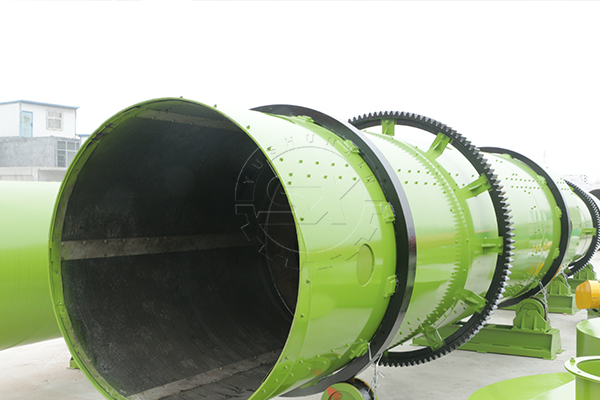
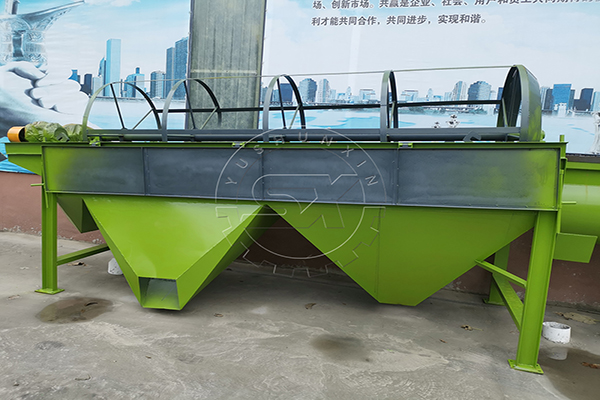
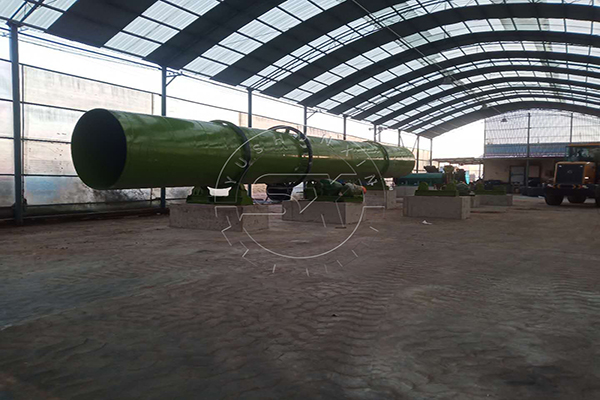
Przesiewacz obrotowy SXGS-1870 i suszarka bębnowa SXHG-2020
SXGS-1870 rotary screener: In the production of 15 ton bionawozu, you need to use the SXGS-1870 drum screen twice. For the first time, it is necessary to sift out the impurities of the crushed material for better granulation. The second screening is to select bio organic fertilizer particles of the right size.
SXHG-2020 drum dryer : The use of biofertilizer dryers can reduce moisture and increase its hardness. YUSHUNXIN’S SXHG-2020 drum dryer, with induced draft fan, can speed up the drying speed of biological fertilizer. The structure is hard, and we chose a 10 mm thick integral spiral tube to ensure the normal operation of the machine.
Ile kosztuje projekt produkcji bionawozów w ilości 15 t/h??
The cost of a 15 projekt produkcji bionawozów w tonach na godzinę mainly depends on the production process and equipment configuration. Different fertilizer forms require different machines, which directly affects the total investment.
- Dla 15 T/H powdered bio fertilizer production line, the typical equipment cost ranges from USD 60,000 Do 90,000. This configuration focuses on composting, miażdżący, ekranizacja, i opakowanie, making it a cost-effective option for investors targeting powder fertilizer markets.
- A 15 T/H granular bio fertilizer production line requires additional equipment such as granulators, suszarki, chłodnicy, and coating systems. Because of this, the total investment is higher, usually ranging from USD 360,000 Do 550,000.
The final price depends on your raw materials, rodzaj nawozu, Poziom automatyzacji, and site conditions. After technical communication, we can provide an accurate quotation and equipment layout plan based on your project needs.
Jaka jest powierzchnia 15 ton/godzinę Zakład produkujący bio nawozy organiczne ?
When planning a 15 ton/godzinę Zakład produkujący bio nawozy organiczne, land area is another key factor that affects project feasibility and layout design.
- A 15 Linia do produkcji sproszkowanych bionawozów T/H typically requires 3,000–5,000 m² of installation space. The process is relatively simple, so the equipment footprint remains moderate.
- In comparison, A 15 T/H granular biofertilizer production line needs more space due to additional systems such as granulation, wysuszenie, chłodzenie, and coating. W większości przypadków, powinieneś się przygotować 5,500–10,000 m² for equipment installation and material flow.
If land resources are limited, the composting and fermentation area can be arranged outdoors to reduce indoor space requirements. Our engineering team can also help you optimize site planning and equipment layout to make the best use of your available land.
Treść


