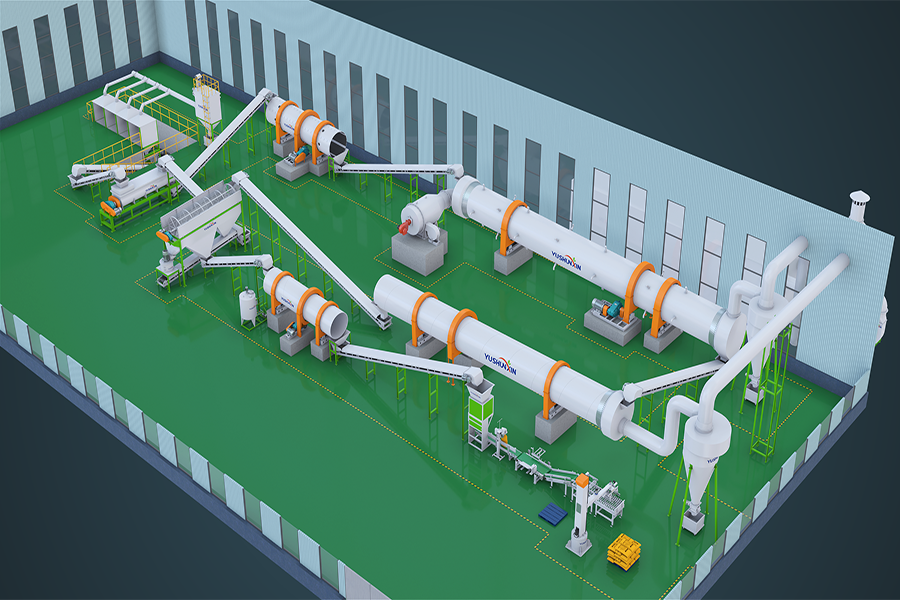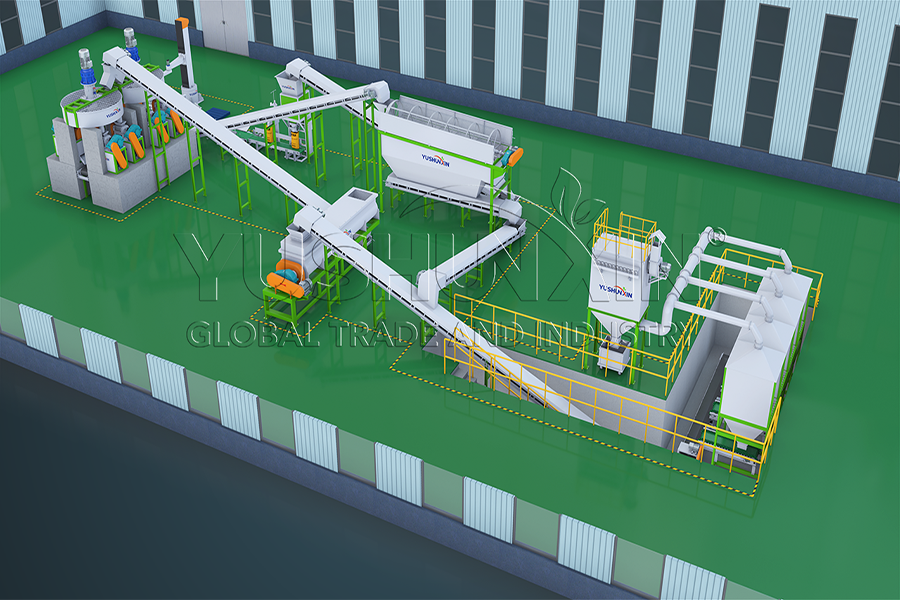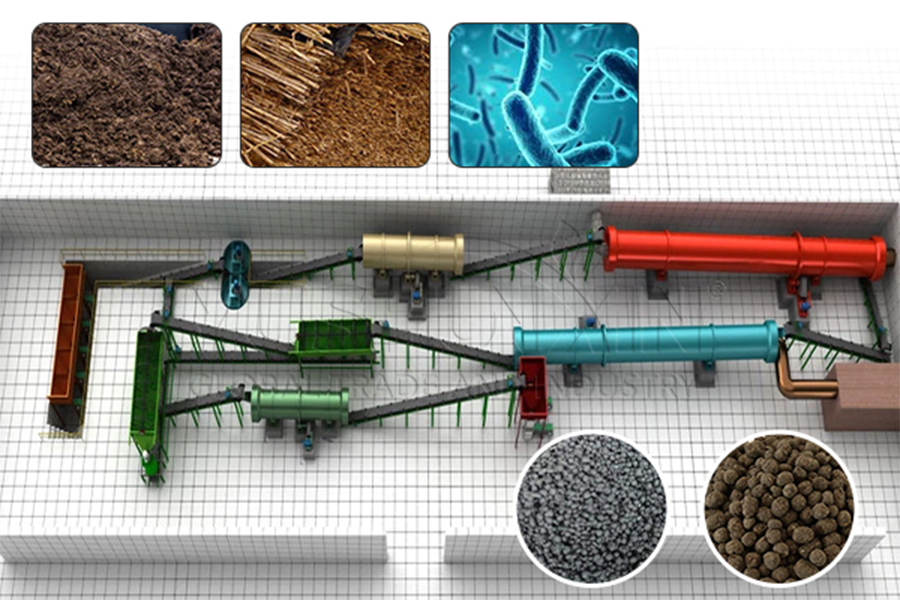

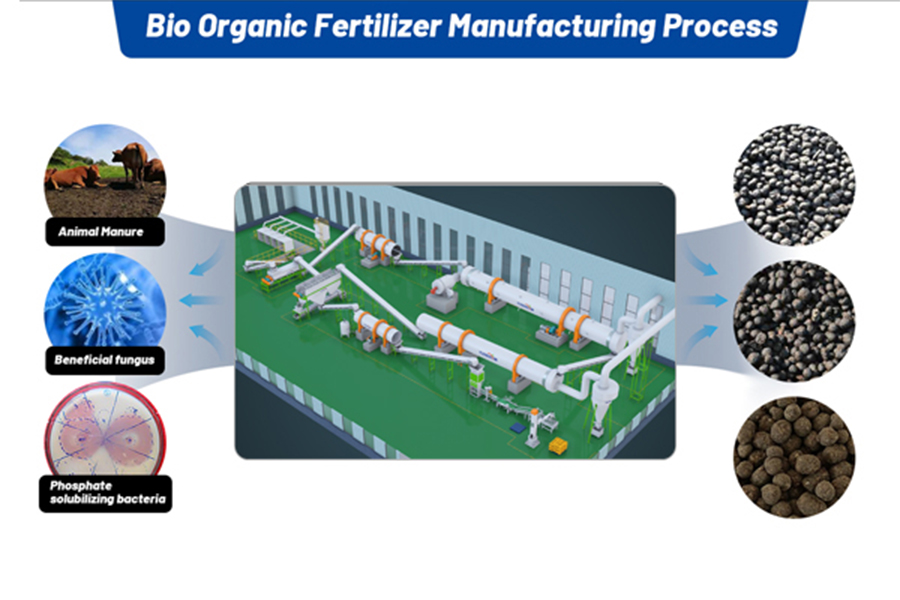
Bio organic fertilizer can improve soil vitality and crop quality. Usually, you can choose organic waste such as livestock manure, straw and biogas residue to produce bio organic fertilizer. When you setup a bio organic fertilizer production line, you need to go through several stages of preparing raw materials, fermentation, crushing, granulation, dryinga and cooling, and packaging. YUSHUNXIN will provides you the right biological fertilizer making machine in each steps. At the same time, we can design the bio organic fertilizer production business plan according to your raw material, capacity, biofertilizer type ect. So, if you are interested, please contact us.
Which business plan is right for you: Powdered or Granular Biofertilizer Making?
Choosing between powdered and granular bio organic fertilizer is not about which is “better”. It depends on your raw materials, target market, and budget. Many customers contact us because they are unsure at this stage.
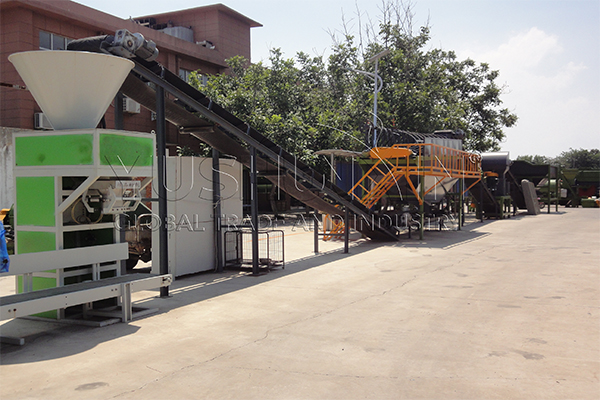
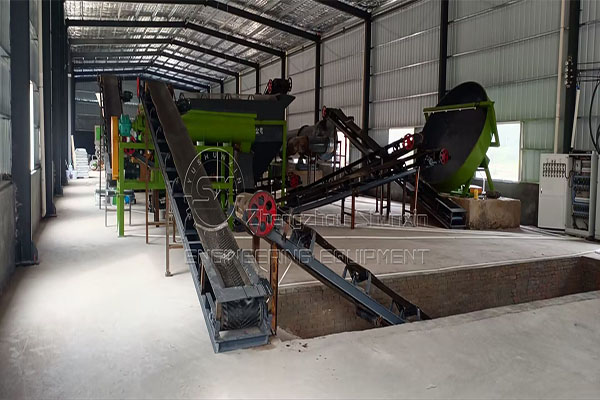
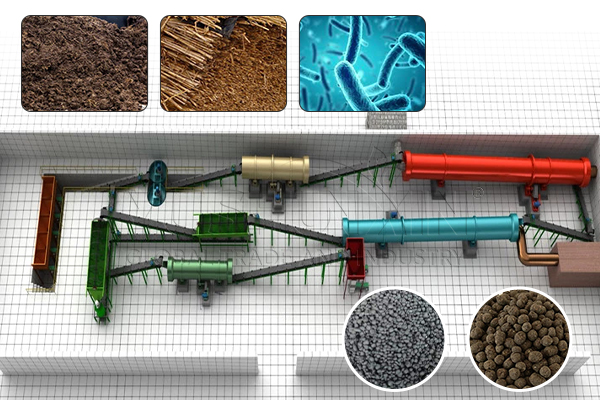
👉 If you are unsure which form fits your raw material and market, this decision should be made before calculating cost.
How Much Does a Bio Organic Fertilizer Production Line Cost?
The cost of a bio organic fertilizer production plant varies mainly based on product form and capacity. Below are typical investment ranges based on real projects.
Powdered bio fertilizer plant project cost:
A powdered bio organic fertilizer plant usually costs $30,000–$100,000. This setup includes a compost turner, automatic loader, bio-compost crusher, rotary screener, automatic packaging machine, and belt conveyors. It suits capacities from 1–15 tons per hour and keeps operating costs low.
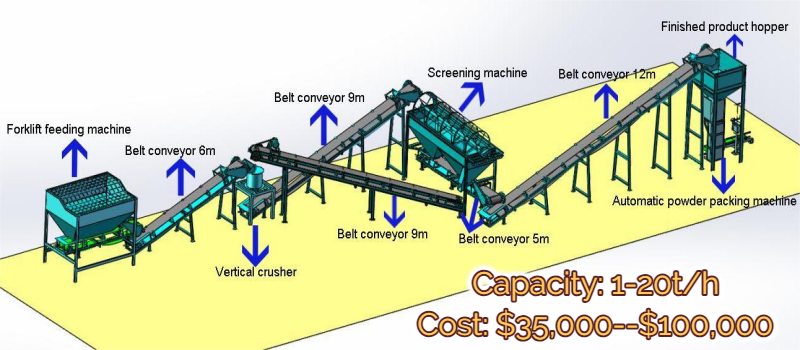
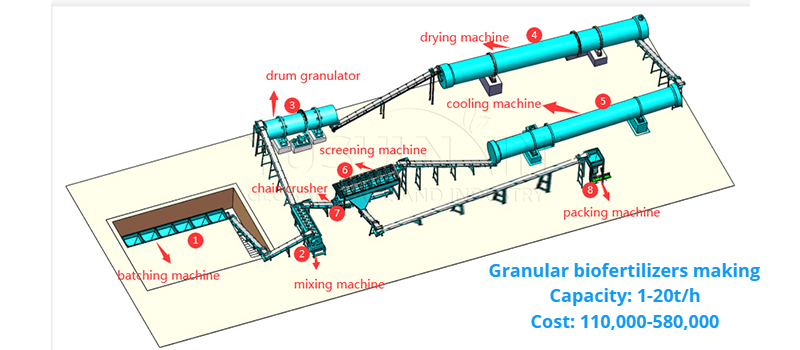
Cost Range for Granular Bio Organic Fertilizer Lines
Granular bio organic fertilizer production lines usually start from $120,000 and can exceed $500,000 for higher capacities. The added cost comes from granulation, drying, cooling, dust control, and coating systems. These machines improve product appearance but require higher energy input.
How to Control Your Bio Organic Fertilizer Investment Cost?
To control your bio organic fertilizer factory cost, start with three clear points:
- Your available raw materials and moisture level
- Your target market (local farms or commercial distributors)
- Your acceptable payback period
Many successful projects begin with powdered fertilizer and upgrade to granulation later. At YUSHUNXIN, we help customers match equipment configuration to real production needs instead of selling oversized systems. Welcome to consult us!
When to Add Microbial Agents in Bio-Organic Fertilizer Manufacturing?
In organic biofertilizer production process, microbial agents are typically added at three key stages—before, during, and after granulation—depending on their function and heat tolerance.
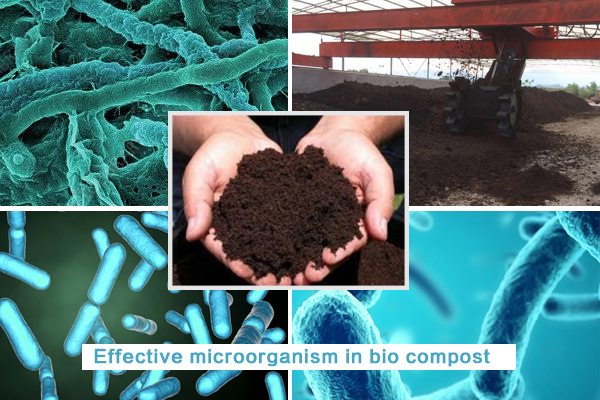
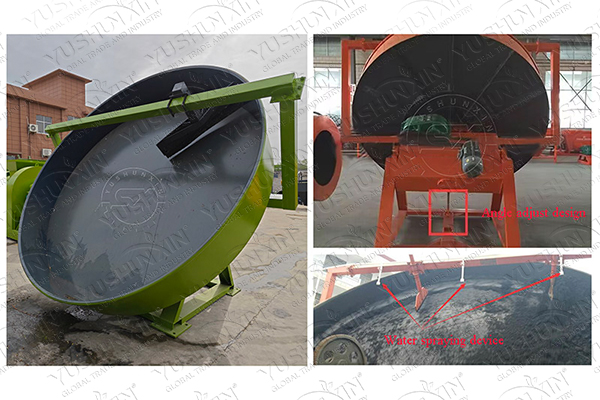
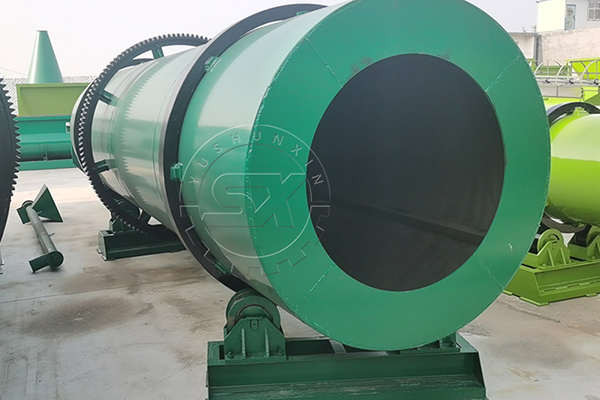
Choosing the right bacteria and equipment ensures effective microbial survival and nutrient delivery in your biofertilizer.
What are the raw materials for organic bio fertilizer production?
Bio organic fertilizer is made from a wide variety of raw materials—many of which may already be available on your farm or in your area. Here are the most common options:
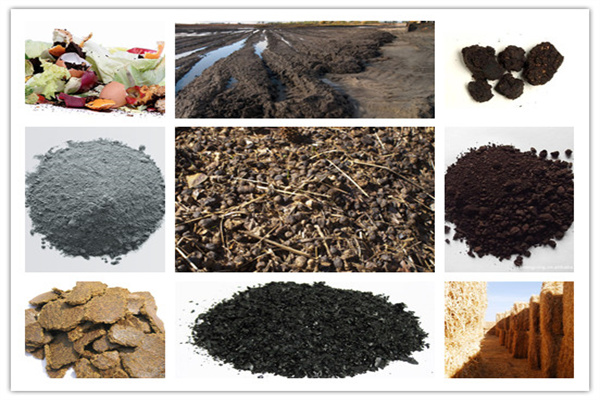
Animal Manure As organic biofertilizer
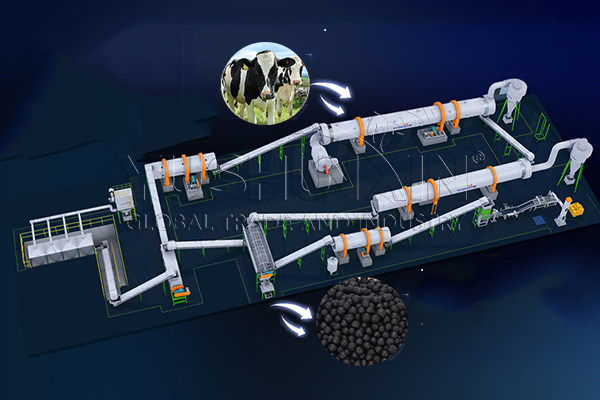
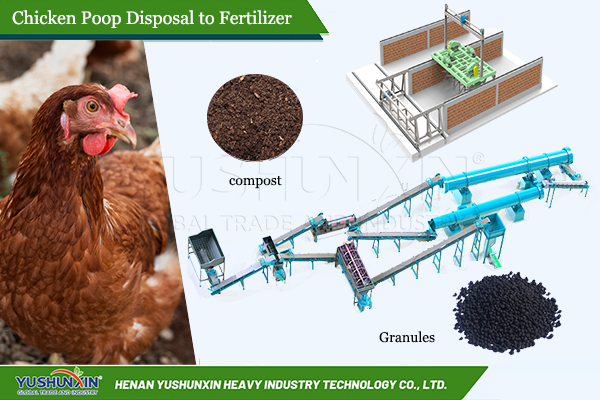
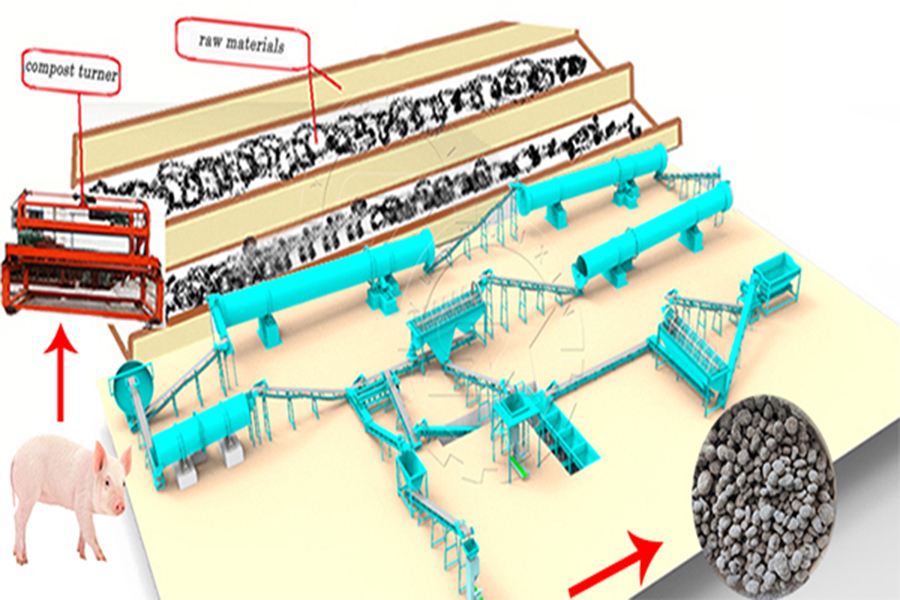
Cow manure, chicken manure, and pig manure are the most common raw materials. They contain organic matter, nitrogen, and beneficial microorganisms.
Before composting, manure usually needs moisture adjustment and impurity removal. Chicken manure often requires carbon material blending to balance nutrients, while cow manure benefits from crushing to improve fermentation speed.
Organic Processing By-products as Biofertilizer
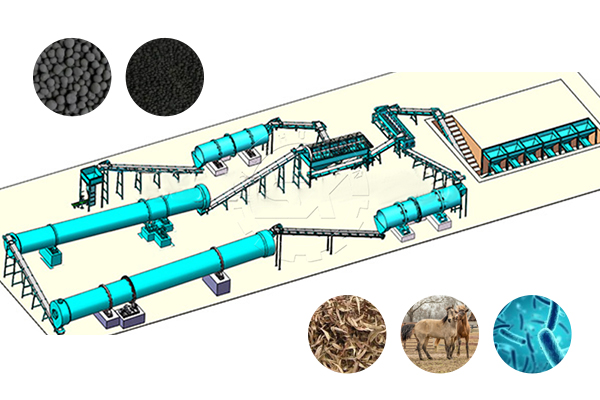
Materials such as mushroom residue, sugar filter mud, distillery waste, and biogas residue are widely used in commercial bio fertilizer factories. These by-products reduce raw material costs and support large-scale production when supply remains stable.
Agricultural Waste as organic fertilizer
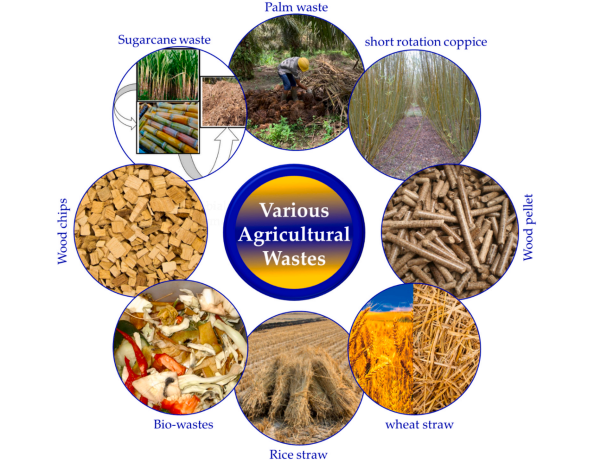
Crop straw, rice husk, corn stalks, and sawdust work well as auxiliary materials. They improve air permeability during composting and help control moisture. Many bio fertilizer plants mix them with manure to achieve stable fermentation and better compost structure.
Need help choosing the right raw materials for your project? Contact YUSHUNXIN, and we’ll design a personalized solution for your local resources.
How to start a organic bio fertilizer production company?
Starting a bio organic fertilizer production company begins with a clear plan. Here is a brief guide.
Whether you’re entering the bio fertilizer market or upgrading your existing biofertilizer production plant, we can deliver efficient, reliable business solutions. Let us guide your setup, from raw material selection to process integration.
Successful cases of setting up bio organic fertilizer manufacturing plants:
At present, YUSHNXIN has helped customers in many regions of the world to establish bio organic fertilizer plants. In combination with customers’ requirements for raw materials, output, equipment, etc., YUSHUNXIN has designed the organic biofertilizer production plan for them.
For example: a 10t/h biological organic fertilizer plant in Brazil, a 20,000 t/y organic biofertilizer factory in Mexico, and a 100,000 t/y organic biological fertilizer granulation line in vietnam. Whether it is a small or large output, our company can provide you biological organic fertilizer making machine according to your requirements. Welcome to consult!
FAQs about to make high quality bio organic fertilizer:
Q: How many tonnes of organic waste required to make 1 kg biological organic fertilizer?
Generally speaking, the raw material output ratio of bio organic fertilizer is 3:1. This means that when you produce 5 tons of bacteria organic fertilizer, you need to prepare 15 tons of organic raw materials and some auxiliary materials.
Q: How long it takes to make organic bio fertilizer?
Generally speaking, the process of making bio organic fertilizer will spent 30-35 days. You also can adopt two method to speed up the production recycle. First, crushing the organic waste before composting. Then, add starter cultures during the composting process.
Q: can I make bio organic fertilizer from mushroom residue?
Yes, mushroom residue is one of the raw materials for organic biofertilizer manufacturing. Making biofertilizer from spent mushroom substrate involves composting, crushing, granulation, screening, drying, and other processing steps.