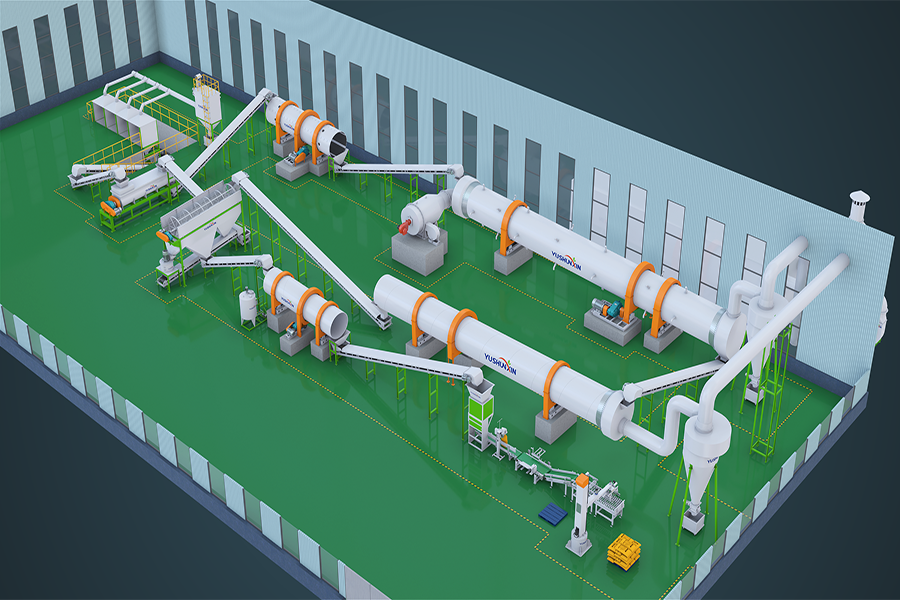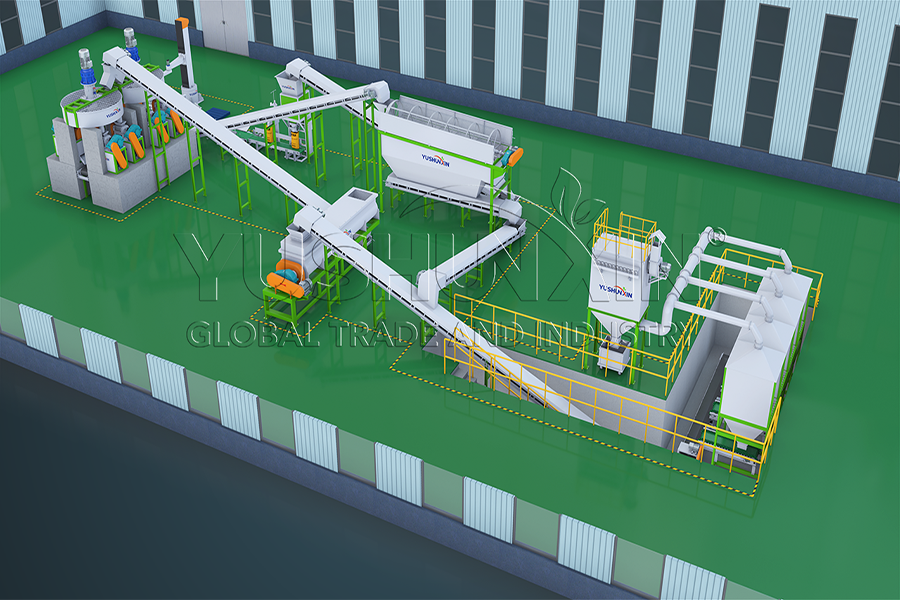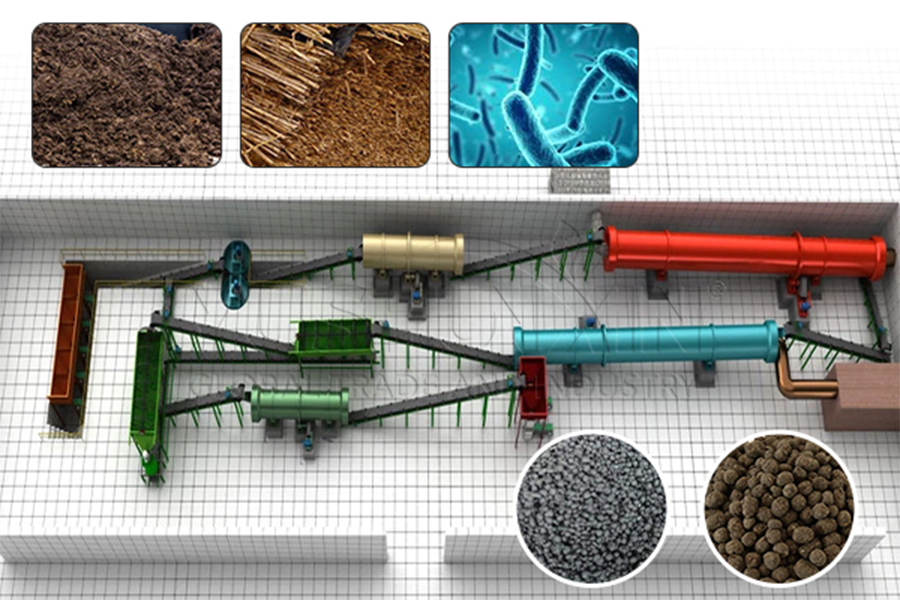

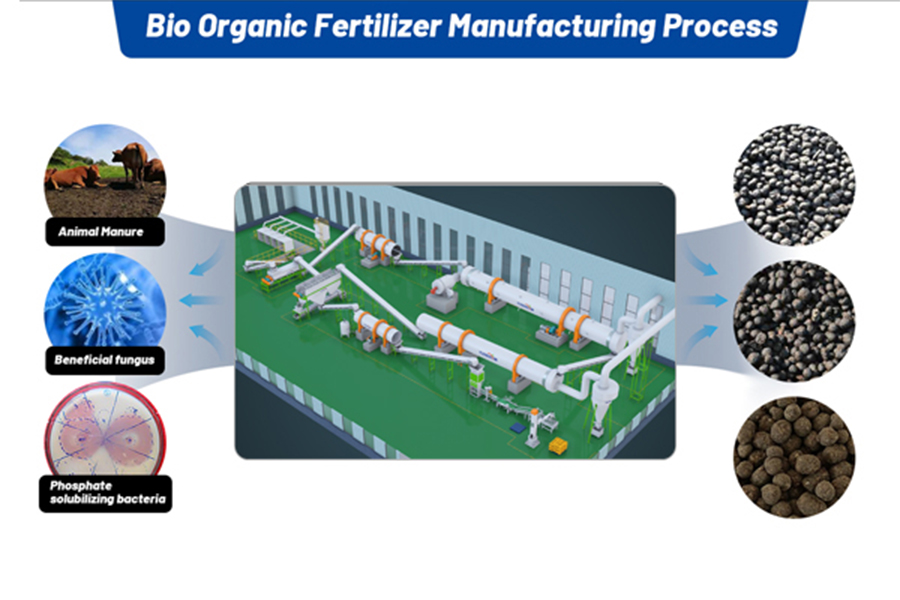
Plehrat organike bio mund të përmirësojnë vitalitetin e tokës dhe cilësinë e të korrave. Zakonisht, ju mund të zgjidhni mbetjet organike si plehrat e bagëtive, kashta dhe mbetjet e biogazit për të prodhuar pleh organik bio. Kur vendosni një linjë prodhimi të plehrave organike bio, duhet të kaloni disa faza të përgatitjes së lëndëve të para, fermentimi, dërrmues, kokrrizë, tharje dhe ftohje, dhe paketimit. YUSHUNXIN do t'ju sigurojë makinën e duhur të prodhimit të plehrave biologjike në çdo hap. Në të njëjtën kohë, ne mund të hartojmë planin e biznesit të prodhimit bio organik të plehrave sipas lëndës tuaj të parë, kapaciteti, lloji i plehrave biologjik etj. Kështu, nëse jeni të interesuar, ju lutem na kontaktoni.
Cili plan biznesi është i duhuri për ju: Prodhimi i bioplehrave pluhur ose grimcuar?
Zgjedhja midis plehrave bio organike pluhur dhe grimcuar nuk ka të bëjë me atë se cili është "më mirë". Kjo varet nga lënda juaj e parë, tregu i synuar, dhe buxhetit. Shumë klientë na kontaktojnë sepse nuk janë të sigurt në këtë fazë.
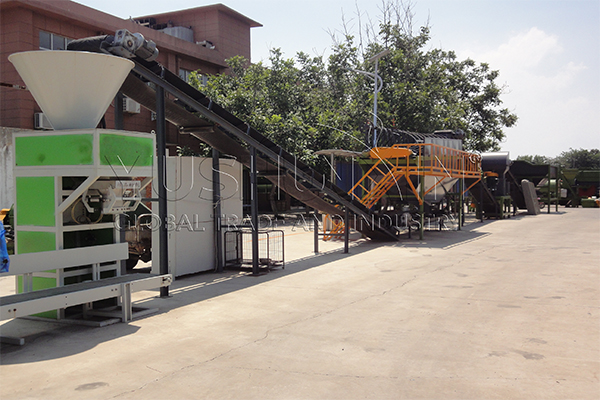
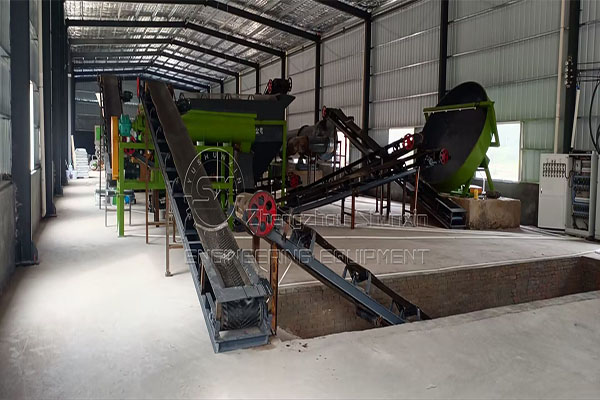
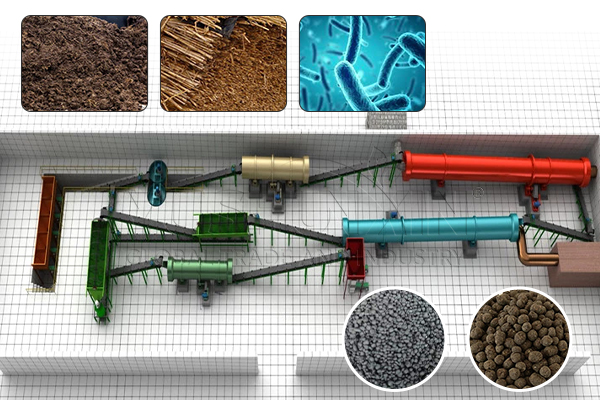
👉 Nëse nuk jeni të sigurt se cila formë i përshtatet lëndës së parë dhe tregut tuaj, ky vendim duhet të merret përpara llogaritjes së kostos.
Sa kushton një linjë e prodhimit të plehrave organike bio?
Kostoja e një fabrike të prodhimit të plehrave organike bio ndryshon kryesisht në bazë të formës dhe kapacitetit të produktit. Më poshtë janë diapazoni tipik i investimeve të bazuara në projekte reale.
Kostoja e projektit të fabrikës së plehrave bio pluhur:
Një bimë pleh organik bio në pluhur zakonisht kushton 30,000-100,000 dollarë. Ky konfigurim përfshin një rrotullues plehrash, ngarkues automatik, thërrmues bio-komposto, ekran rrotullues, makinë automatike paketimi, dhe shirita transportues. Ai i përshtatet kapaciteteve nga 1-15 ton në orë dhe mban të ulëta kostot e funksionimit.
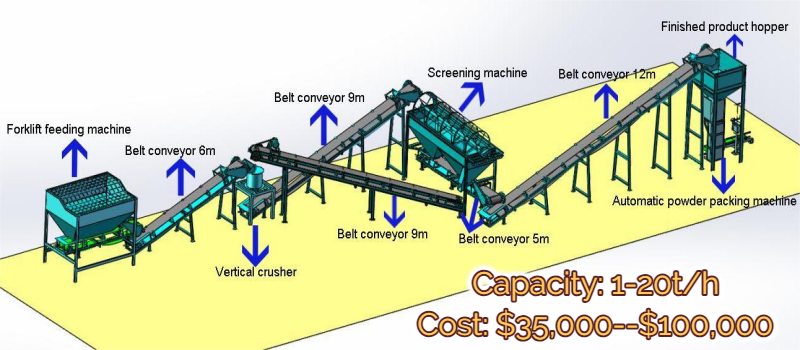
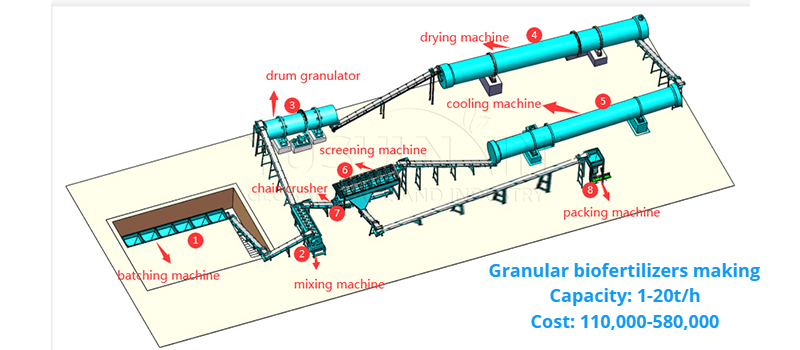
Gama e kostos për linjat granulare të plehrave organike Bio
Linjat granulare të prodhimit të plehrave bio organike zakonisht fillojnë nga $120,000 dhe mund të tejkalojë $500,000 për kapacitete më të larta. Kostoja e shtuar vjen nga granulimi, tharje, ftohës, kontrollin e pluhurit, dhe sistemet e veshjes. Këto makina përmirësojnë pamjen e produktit, por kërkojnë input më të lartë energjie.
Si të kontrolloni koston e investimit të plehrave organike bio?
Për të kontrolluar koston e fabrikës suaj të plehrave organike bio, filloni me tre pika të qarta:
- Lëndët e para të disponueshme dhe niveli i lagështisë
- Tregu juaj i synuar (fermat lokale ose shpërndarësit tregtarë)
- Periudha juaj e pranueshme e shlyerjes
Shumë projekte të suksesshme fillojnë me pleh pluhur dhe përmirësohen në granulim më vonë. Në yushunxin, ne i ndihmojmë klientët të përputhen me konfigurimin e pajisjeve me nevojat reale të prodhimit në vend që të shesin sisteme të mëdha. Mirë se vini të konsultoheni me ne!
When to Add Microbial Agents in Bio-Organic Fertilizer Manufacturing?
In organic biofertilizer production process, microbial agents are typically added at three key stages—before, gjatë, and after granulation—depending on their function and heat tolerance.
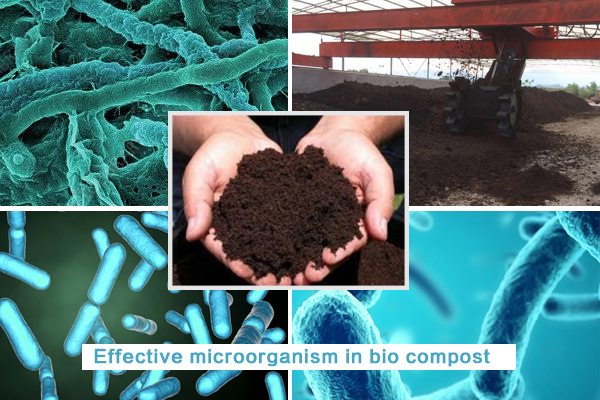
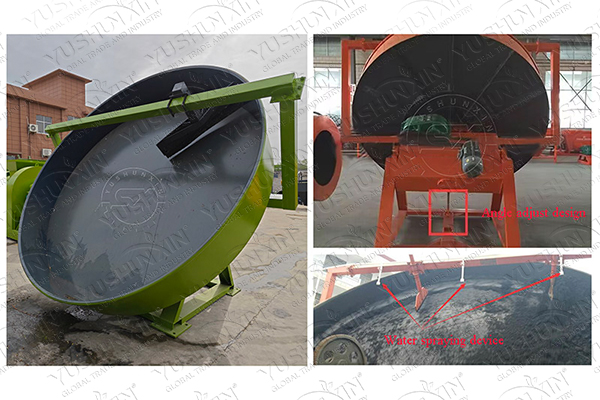
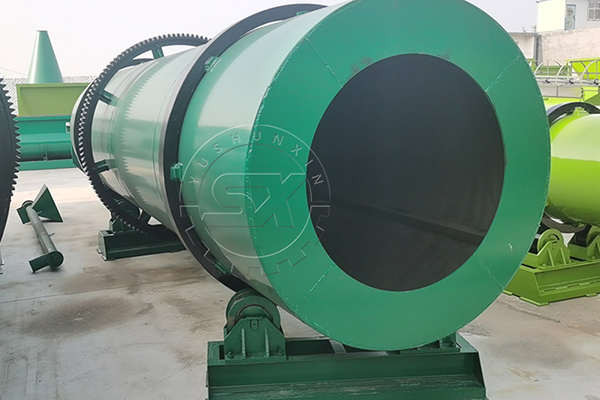
Choosing the right bacteria and equipment ensures effective microbial survival and nutrient delivery in your biofertilizer.
What are the raw materials for organic bio fertilizer production?
Bio organic fertilizer is made from a wide variety of raw materials—many of which may already be available on your farm or in your area. Here are the most common options:
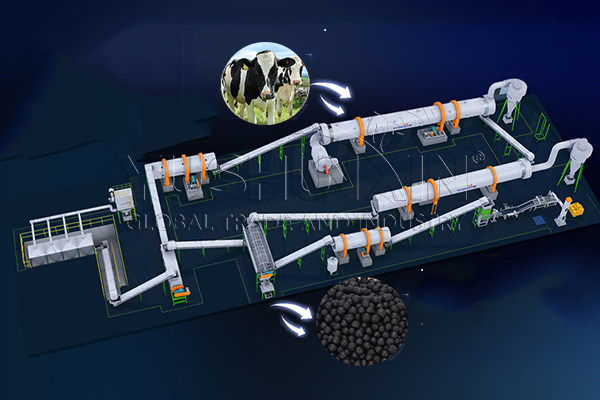
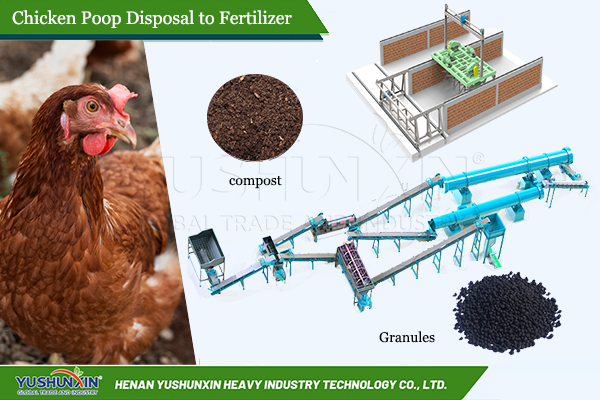
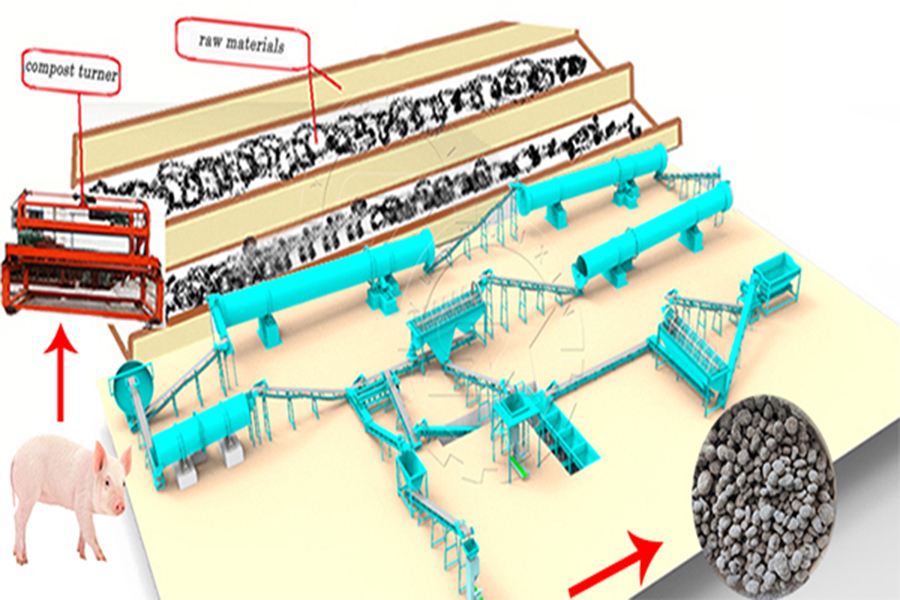
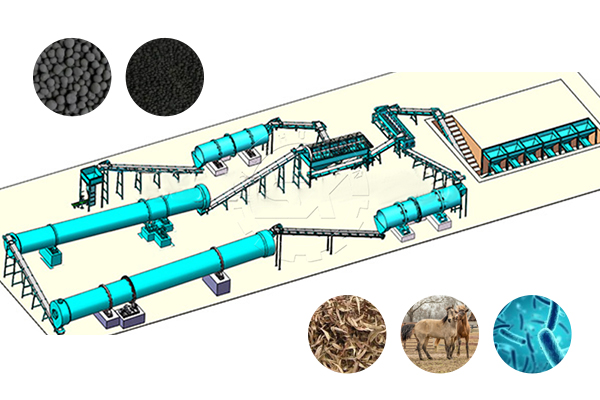
Animal Manure As organic biofertilizer
Cow manure, pleh i pulave, and pig manure are the most common raw materials. They contain organic matter, azotit, and beneficial microorganisms.
Before composting, manure usually needs moisture adjustment and impurity removal. Chicken manure often requires carbon material blending to balance nutrients, while cow manure benefits from crushing to improve fermentation speed.
Organic Processing By-products as Biofertilizer
Materials such as mushroom residue, sugar filter mud, distillery waste, and biogas residue are widely used in commercial bio fertilizer factories. These by-products reduce raw material costs and support large-scale production when supply remains stable.
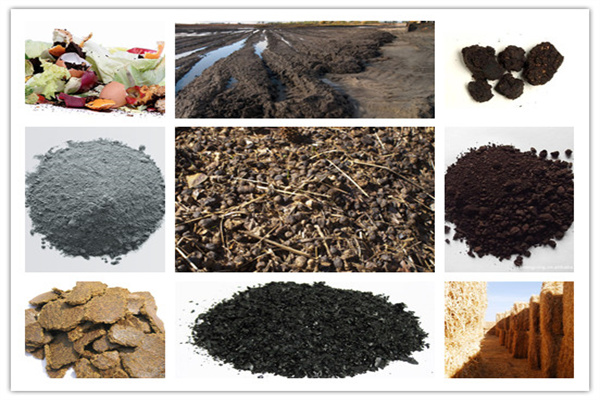
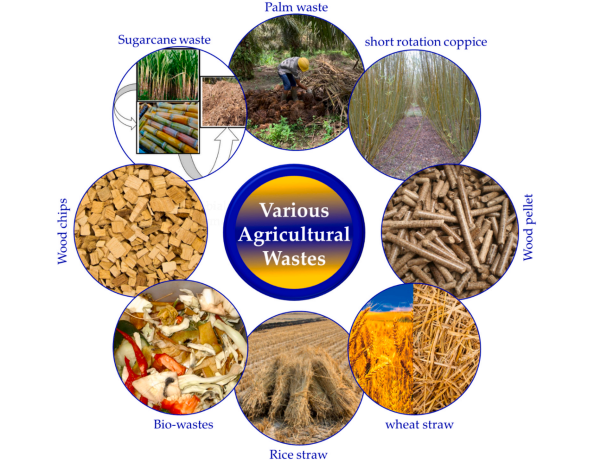
Agricultural Waste as organic fertilizer
Crop straw, lëvore orizi, kërcell misri, and sawdust work well as auxiliary materials. They improve air permeability during composting and help control moisture. Many bio fertilizer plants mix them with manure to achieve stable fermentation and better compost structure.
Need help choosing the right raw materials for your project? Contact YUSHUNXIN, and we’ll design a personalized solution for your local resources.
How to start a organic bio fertilizer production company?
Starting a bio organic fertilizer production company begins with a clear plan. Here is a brief guide.
Whether you’re entering the bio fertilizer market or upgrading your existing biofertilizer production plant, we can deliver efficient, reliable business solutions. Let us guide your setup, from raw material selection to process integration.
Successful cases of setting up bio organic fertilizer manufacturing plants:
Aktualisht, YUSHNXIN has helped customers in many regions of the world to establish bio organic fertilizer plants. In combination with customers’ requirements for raw materials, output, pajisje, etj., YUSHUNXIN has designed the organic biofertilizer production plan for them.
Për shembull: një 10t/h biological organic fertilizer plant in Brazil, një 20,000 t/y organic biofertilizer factory in Mexico, dhe a 100,000 t/y organic biological fertilizer granulation line in vietnam. Whether it is a small or large output, our company can provide you biological organic fertilizer making machine according to your requirements. Mirë se vini të konsultoheni!
FAQs about to make high quality bio organic fertilizer:
Q: How many tonnes of organic waste required to make 1 kg biological organic fertilizer?
Duke folur përgjithësisht, the raw material output ratio of bio organic fertilizer is 3:1. This means that when you produce 5 tons of bacteria organic fertilizer, ju duhet të përgatiteni 15 tons of organic raw materials and some auxiliary materials.
Q: How long it takes to make organic bio fertilizer?
Duke folur përgjithësisht, the process of making bio organic fertilizer will spent 30-35 ditë. You also can adopt two method to speed up the production recycle. Së pari, crushing the organic waste before composting. Atëherë, add starter cultures during the composting process.
Q: can I make bio organic fertilizer from mushroom residue?
po, mushroom residue is one of the raw materials for organic biofertilizer manufacturing. Making biofertilizer from spent mushroom substrate involves composting, dërrmues, kokrrizë, shfaqje, tharje, and other processing steps.